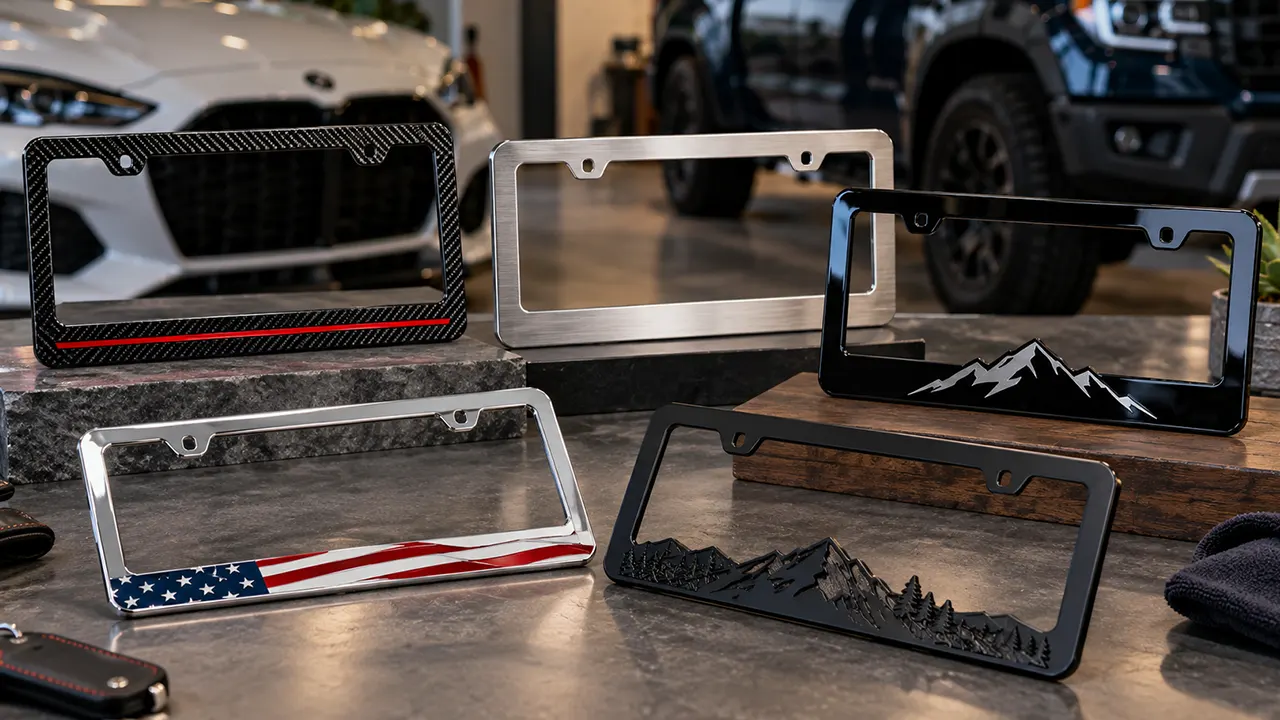
A custom license plate frame is a small part of a vehicle, but it has to do several things at once: fit the plate, keep required information visible, suit the vehicle, and present any logo or message clearly. The best choice is not necessarily the frame with the most decoration or the longest branding area. It is the one whose material, shape, finish and artwork work together at the real size of the plate.
Custom frames range from a name or short phrase added to a standard design to fully specified programs with a particular size, color, mounting pattern and packaging. You may be personalizing your own car, creating a gift, ordering for a club, or choosing branded frames for a dealership or retailer. Start with the intended use and location, then compare the options that affect fit and appearance. Plate sizes and display rules vary around the world, so no design should be assumed universal.
What Makes a Good Custom License Plate Frame?
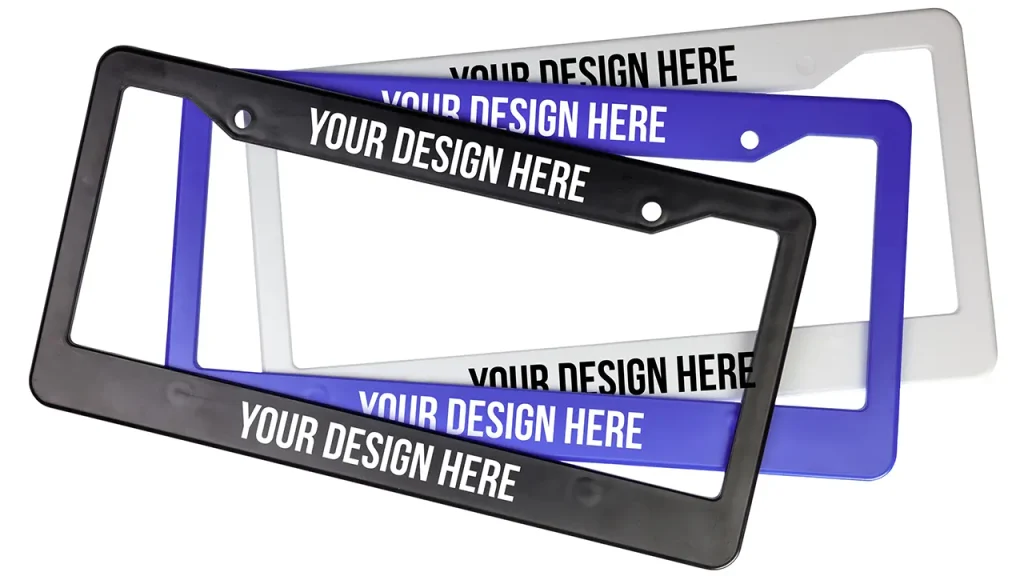
A good frame fits without forcing the plate, keeps the useful plate area open, and places text where it can be read at normal viewing distance. It should also suit the vehicle and be practical to install and clean. When a frame carries a logo, visibility and contrast matter more than filling every available inch. A clear wordmark can be more effective than a crowded layout with several small lines.
Think through the design in this order: first the plate format and opening, then mounting points, frame profile, material and finish, and finally artwork. Starting with artwork alone can lead to a beautiful layout that cannot fit the actual frame or has to be reduced until it is hard to read. Check the actual space available on the top, bottom and sides; not every frame offers the same branding area.
For a personal frame, the design might be playful, minimal or matched to the car color. For a business frame, make the brand recognizable without turning the plate into an unreadable advertisement. In either case, check local display requirements before approving the final layout. A graphic or frame edge must not obscure required characters, registration marks, stickers, reflectors or other identifying details.
Choose a Material That Fits the Design
Aluminum
Aluminum frames offer a metal appearance and can be made with different profiles and surface finishes. They can work well for engraved, printed or otherwise decorated graphics, but the exact result depends on the specific frame and process. Ask whether the usable face is flat, how the edges are finished and whether the selected artwork method is compatible with that surface. A material name alone does not confirm the finish, thickness or durability of a particular product.
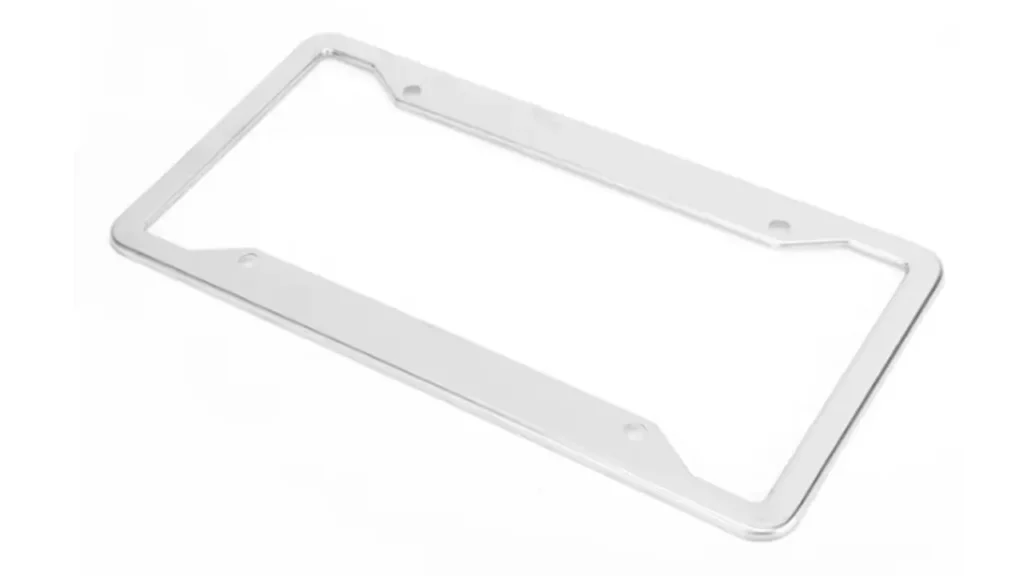
A brushed or satin look can suit a restrained logo, while a polished or coated surface creates a different visual effect. If the logo has fine lines or multiple colors, confirm that the process can reproduce them clearly at the available scale. The border must remain functional as a frame; artwork should not be placed so close to an edge that it is cropped or difficult to inspect.
Stainless steel
Stainless steel frames are often selected for a metal look and a particular surface treatment. They can support a clean, refined style, but compare the edge, corners, mounting holes and finish on the exact model. Brushed and polished surfaces reflect light differently and may make small lettering easier or harder to see depending on contrast. Avoid assuming that all stainless frames have identical grade, finish or corrosion behavior unless that is documented for the product.
Plastic, ABS and PP
Plastic frames can offer broad color choices and molded shapes. They are commonly considered when the design calls for a particular color, profile or integrated feature. The exact resin and design are model-specific, so do not treat ABS or PP as a blanket performance guarantee. Confirm what material is used, how the graphic is applied, whether the surface is textured, and which cleaners are appropriate.
A textured plastic surface may create a sporty or casual look, while a smooth surface may be easier for certain printed graphics. If the logo must appear on a raised section or curved face, ask for a scale proof; a flat artwork file may not show how the molding changes the appearance. Color samples are useful when matching a brand or vehicle because on-screen color can vary.
Zinc alloy, silicone and other options
Some designs use zinc alloy or flexible materials such as silicone. These can have distinctive shapes or tactile qualities, but the usable branding area and decoration method differ from a flat metal strip. Before choosing one, check how the logo will be placed, whether the frame accommodates the target plate and whether the product’s handling and cleaning requirements suit its intended use. Ask for model-specific information rather than extrapolating from the material name.
Printing, Engraving, Raised Letters or Molded Branding?
Choose the decoration process according to the artwork, base material and visual effect you want. Printing can suit multicolor artwork, gradients or fine visual details, but the supported colors and surface preparation depend on the product. Screen printing is often used for defined shapes or simpler color layouts; confirm line thickness, color count and location with the provider. UV printing may support a different kind of detailed graphic, but its appearance and adhesion are model-specific. Do not assume all methods produce the same finish or outdoor performance.
Laser engraving creates a mark by changing or removing surface material. It often suits text, simple logos and a restrained tone-on-tone appearance, but the contrast depends on the base and finish. A polished surface, coated surface and brushed surface can show an engraving differently. Ask what the finished mark will look like on the actual frame, not only on a digital preview.
Raised lettering creates a more dimensional look and can be produced in several ways, including attached elements or molded features. It needs enough space and suitable geometry. Check whether the raised details could interfere with mounting or catch on nearby surfaces. For plastic frames, molded branding may integrate with the shape; it may also require a design or tooling approach that differs from adding print to an existing frame.
No process is universally best. A small logo with one color may not need a complex method, while detailed artwork may benefit from a process designed for multiple colors. Ask for a process recommendation only after sharing the actual artwork, material, frame style and planned use. Then request a proof or sample so you can review the scale, color and surface effect.
Choose a Frame Style and Branding Area
Slimline and standard profiles
A slimline frame keeps the border visually narrow and leaves more of the plate exposed. It is a good option when subtlety matters, but the branding band may be limited. Standard profiles give the frame a more visible outline and can create more room for a logo, depending on the design. Neither profile should be chosen by presumed strength alone: the frame geometry, material and installation determine how it sits.
Wide-bottom and topper styles
A wide-bottom design or top panel can provide more room for a name, short phrase or logo. Larger graphics are not automatically clearer if they are crowded or low contrast. Try one strong focal point, then add only information that has a clear purpose. If you include a phone number, web address or slogan, check whether it remains legible at real size and whether local rules permit the layout.
Side branding and split layouts
Side panels can work for a compact mark or small icon, while a split layout might pair a logo on one side with a short name on the other. These areas are narrow, so detailed crests and long URLs often lose clarity. Keep margins around the artwork and consider how the frame will appear when mounted; bumper curvature, plate recesses and screw heads may visually compete with side graphics.
How Wide Should the Border Be?
Border width affects both appearance and visibility. A narrow border keeps the plate visually open but may limit lettering space. A wider band can emphasize a logo or create a more substantial frame, but it may cover characters, registration stickers or other required information if the opening and layout are not carefully checked. Compare the actual inner opening with the plate, including embossed or raised details that need to remain visible.
Measure the plate and the space around it. Separate the frame’s outside dimensions from its opening; listings do not always use these terms consistently. Check where the frame overlaps the plate, whether the corners align and whether any required details fall behind the edge. If the plate format or local rules are unfamiliar, ask the relevant authority or use a frame designed for that format.
Two-Hole vs. Four-Hole Mounting
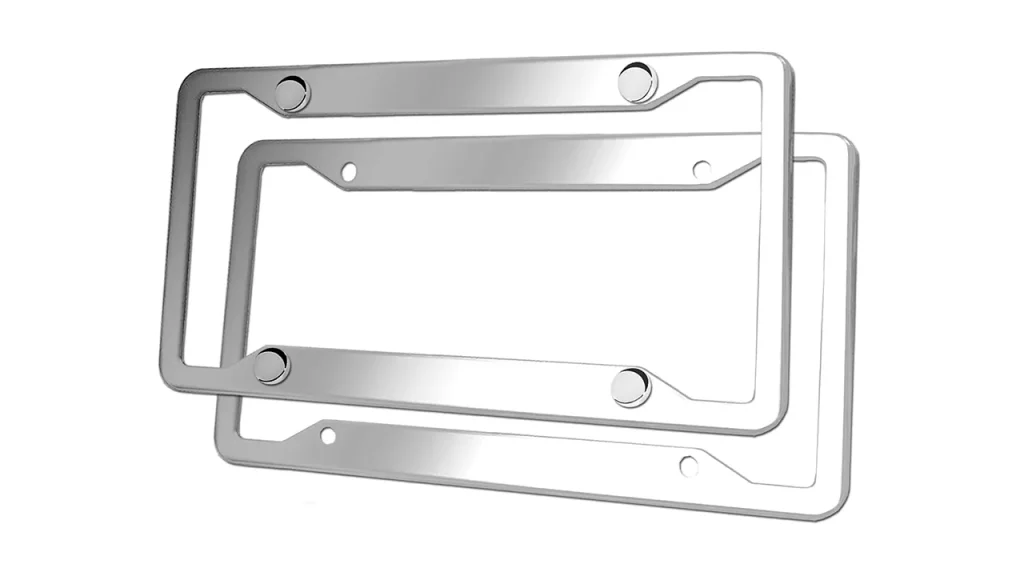
Mounting pattern is a fit question, not a decorative decision. Two-hole and four-hole frames may fit different plates, brackets or vehicle mounting points, and a label does not establish compatibility with every vehicle. Compare hole spacing and hardware to your actual setup. Confirm whether the fasteners pass through the plate and frame, attach to a separate holder, or use another arrangement.
Do not modify a plate or vehicle simply to make a custom frame fit unless the manufacturer and local requirements clearly allow the change. Avoid overtightening, which can distort a plastic frame or plate. If you are creating a frame for several regions, consider whether a single design truly supports the required sizes and patterns or whether separate variants will be clearer for end users.
Color, Finish and Contrast
Color can tie the frame to a vehicle, brand or club identity, but the best pairing is one that keeps text easy to read. Black with silver or white offers a familiar contrast; brushed metal can feel understated; a bright accent can add a small highlight. Chrome-look, matte black, polished metal, colored plastic and carbon-pattern finishes each create a different impression. The exact color and sheen vary by product, so check a physical sample or current photo when a close match matters.
For lettering, contrast is more useful than novelty. A dark logo on a dark face may disappear in shade, while thin white type over a bright background may lack definition. Review the artwork in daylight and in a reduced-size mockup. Confirm how the selected process handles the color and whether small text can be reproduced on a curved or textured face.
Finishes should be considered together with care. A highly polished surface may show fingerprints; textured surfaces can collect dust; a print or applied layer may need gentler cleaning than bare metal. Avoid claiming a finish is fade-proof or scratch-proof without product-specific evidence. Ask for the maker’s care instructions and follow them, particularly for custom finishes that cannot be easily replaced.
Custom Text, Logos and Artwork
Start with the message that matters most. A dealership may want its name or website; a club may want an emblem; a personal frame may use a name, nickname or short phrase. Too many words compete for attention, especially on a narrow band. If the text needs a phone number, web address and slogan, test whether any one line can be removed without losing the purpose.
Use clean artwork. A vector file is helpful for many production methods because it can scale without the same loss of edge definition as a small raster image. Include fonts as outlines or provide the font details when requested. Make sure you have permission to use the logo or artwork. If the frame will be sold or distributed, confirm any trademark or licensing rights before production.
Request a proof that shows the design on the actual frame shape at actual size. Review alignment, spacing, spelling, color, margins, and how fastener heads or plate edges may affect the final view. A proof on a wide white canvas can make tiny text seem much larger than it will be on the vehicle. Ask for a sample when material or finish differences could change the result.
How to Choose a Custom Frame for Different Uses
Personal cars and gifts
For a personal vehicle, consider the exterior color, trim and overall style. A simple black, silver or carbon-look frame can blend in, while a colored or decorative frame makes a stronger statement. For a gift, keep the text short and choose a style the recipient can use with their plate format. Avoid adding a design that covers required details or assumes a particular local display rule.
Clubs, events and communities
Clubs and events often need a recognizable mark, a date or a short phrase. Prioritize the group name or emblem and use secondary text sparingly. Think about the plate formats used by members in different countries; a single frame may not fit all. If the design is temporary or event-specific, packaging and quantity may matter, but avoid overcomplicating the frame itself.
Dealers, fleets and retail programs
For a dealership or fleet, the frame is seen by drivers and passersby, so the brand name should be easy to identify without making the plate difficult to read. Check that the logo stays visible on the actual vehicle colors and plate formats. For a retail program, make fitment information clear so customers know which size and hole pattern they are buying. Sample approval and accurate artwork are useful safeguards, not a substitute for checking the final product.
Common Customization Mistakes
- Using more text than the available band can support at readable size.
- Choosing a finish based only on a screen image when color match is important.
- Approving artwork before confirming frame dimensions and plate format.
- Placing fine detail on a textured or curved surface without checking a production proof.
- Ignoring screw heads, corners and plate overlap when judging the final layout.
- Assuming a material name proves a particular grade, finish or weather performance.
- Calling one frame universal when regional dimensions and mounting points vary.
- Using a logo or character artwork without confirming the right to reproduce it.
- Adding a large border or graphic without checking local plate visibility rules.
From Idea to Finished Frame
A practical custom project has a few clear decisions. First, define the plate format and mounting pattern. Then choose a frame style and base material that fit those requirements. Select the decoration method based on the artwork and surface, then prepare the design with a realistic margin around the edge. Review a scale proof and clarify the finish, color, logo placement and packaging before approving the final version.
Keep a written record of the choices that affect the result: frame dimensions, opening, hole positions, material, finish, artwork file and approved proof. If there are different sizes or colors, label each version clearly. This is useful whether you are ordering one frame or coordinating a larger project, because it reduces mix-ups between similar variants. Do not treat a digital proof as a substitute for checking the sample if the surface or color materially affects appearance.
Frequently Asked Questions
What makes a custom license plate frame a good choice?
It should fit the plate and mounting points, keep required details visible, and present the logo or message clearly. Material and finish should suit the intended look and care needs.
Can I put a business name or website on a frame?
Many designs have space for a short name or URL, but the available area varies. Check local rules about plate visibility and make sure the text remains readable at the actual size.
Which material is best for a custom frame?
There is no universal best material. Compare the frame shape, surface, available decoration methods, weight, care instructions and exact product specifications. Choose based on the design and use rather than a generic material claim.
Is printing or engraving better?
Printing can suit multicolor graphics; engraving can create a different, often more restrained mark. The right choice depends on the frame surface, artwork and desired effect. Compare samples or proofs for the exact model.
Can I use my own logo?
Usually, if the chosen process and frame area can reproduce it. Provide a clear file, review a scaled proof and confirm you have the rights needed to use the artwork.
What artwork file should I provide?
Ask the provider what it can accept. Vector artwork is useful for many processes, while a high-resolution image may suit others. Provide correct colors and check that small details remain legible at frame size.
Can one frame fit license plates worldwide?
Do not assume so. Plate dimensions, corner shapes, hole spacing and display rules differ across markets. Check the exact frame measurements against the plate it is intended to fit.
Should I choose slimline or a wide frame?
A slimline profile keeps more of the plate open but offers less room for branding. A wider design may provide more visual space while increasing the chance of overlap. Compare the actual opening and required plate information.
How do I choose a finish color?
Consider vehicle color, brand colors, readability and maintenance. If close color matching matters, request a sample or current photograph because screens may show colors differently.
Can custom frames be made for motorcycles or non-US plates?
They can be designed for different formats, but confirm dimensions and mounting points for the specific plate. Do not assume a car frame or one-country format will fit another.
How can I tell if the final artwork will be readable?
Review it on a proof at actual size, not only enlarged on a computer. Check contrast, letter spacing, margins, screw positions and whether the frame shape distorts the layout.
What should I check before approving production?
Confirm the frame dimensions, opening, hole pattern, material, finish, colors, artwork placement and packaging. Make sure the approved proof represents the exact version being produced.
Make the Design Work in Real Life
The strongest custom frame designs are usually clear before they are clever. Start with fit and visibility, choose a material and profile that suit the vehicle, then use a decoration process that can reproduce the artwork cleanly. Keep the message short, check the design at actual size and confirm the finished frame against the plate format and local display requirements.
Explore our custom license plate frames, frame customization guide, and size guide for related options. Product dimensions, available processes and finishes vary by model, so check the specific details before choosing.