Useful auto repair shop marketing ideas connect three jobs: help nearby drivers find the right service, make contacting your shop straightforward, and give satisfied customers a reason to return. Start with accurate local information, a booking process your team can manage, and clear communication about inspections, estimates, and completed work. Add advertising after those basics function reliably.
You don’t need every marketing channel. A busy specialist with limited diagnostic appointments has a different problem from a general repair shop with open bays. More inquiries can be unhelpful if they are for services you don’t offer or times you can’t accommodate.
Decide Which Kind of Work You Want More Of
Choose an operating goal before choosing a promotion. You might need more first-time maintenance customers, better use of a particular technician’s skills, fewer missed appointments, or stronger retention after a customer’s first repair. Those are separate goals and need separate measures.
Review the work your shop can actually accept. Consider technician availability, equipment, parts access, parking, and service-advisor capacity. If diagnostics are already booked ahead, a broad campaign for warning-light problems could disappoint callers while doing little for unused maintenance capacity.
Write a plain statement such as, “We want more scheduled maintenance visits from drivers within our practical service area.” This is a planning example, not a performance promise. It gives your team a way to reject attractive-looking ideas that don’t fit the work you need.
Ask the people answering calls what customers misunderstand. An unclear diagnostic fee, a missing list of vehicle makes served, or uncertainty about drop-off may be losing suitable customers before any advertising issue appears.
1. Make Your Local Business Information Dependable
Check your business name, address, map location, phone number, opening hours, and website details wherever customers commonly encounter them. Include unusual holiday hours and realistic instructions for reaching the entrance. A workshop behind another building may need a clear arrival photograph more than a clever slogan.
Describe the services and vehicles you genuinely handle. Don’t list specialist capabilities merely because another shop attracts searches with them. A driver looking for a specific repair should be able to tell whether contacting you is worthwhile.
Use recent, accurate photos of the entrance, reception area, and workshop where permission and safety allow. Keep customer details, number plates, work orders, and staff information out of view unless their use is authorized. A modest real shop is more useful to a new visitor than stock photography suggesting facilities you don’t have.
Treat local profile maintenance as routine work. Assign someone to notice changed hours, incorrect map pins, and unanswered questions. Accuracy matters even when you aren’t running a campaign.
2. Give Important Services Their Own Useful Explanations
A service description should help a driver understand the next step, not diagnose their car from a search phrase. Explain what the appointment involves, what information to provide, and what can change the estimate or timing.
For a brake inspection, for example, describe how customers can report a noise or pedal concern and how inspection findings will be discussed. Don’t publish a universal repair price for an unidentified vehicle or imply that one symptom proves a particular component has failed.
Include genuine practical details: whether appointments are needed, how early drop-off works, and how you obtain authorization for additional work. Keep any statements about warranties, qualifications, and equipment supported by current records.
Separate services because the reader’s task differs, not to create dozens of near-identical location or keyword variations. One useful explanation of an actual service is more defensible than a set of thin descriptions promising every repair in every nearby town.
3. Improve the Call and Message Handoff
Before buying more traffic, test what happens when a new customer contacts you. Can someone answer the common first questions? If a call is missed, is there a dependable way to return it without asking a technician to interrupt unsafe work?
Give the team a short intake structure: customer contact preference, vehicle information, reported concern, requested service, and timing constraints. Collect only what you need through an appropriate channel. Don’t invite people to post sensitive vehicle or personal information publicly.
Be candid about what the first appointment provides. A diagnosis, an inspection, and a completed repair are not interchangeable promises. If the vehicle may need to stay longer, explain that before the customer arranges transport.
A useful reply can say what information is missing and what happens next. Avoid a generic automated assurance that an appointment is confirmed when no one has checked availability. Marketing creates expectations; the handoff has to match them.
4. Make Booking and Arrival Easier
Show a clear contact or appointment action on the service information customers actually use. Explain whether an online request is provisional or confirmed. If your team must review the concern first, say so at the point of submission rather than in a message sent much later.
Provide arrival details with the confirmation: where to park, where to leave keys, who to contact, and any approved after-hours process. Never publish an insecure key-drop workaround just to make arrival appear convenient.
Ask about customer constraints without promising an outcome you can’t control. “Do you need the vehicle for work tomorrow?” can help organize the conversation, but it shouldn’t become a guaranteed completion time before inspection or parts availability is known.
Follow up on booking problems as operational feedback. If several callers abandon the same form field or misunderstand the same instruction, fix that issue before testing a new discount.
5. Explain Inspections and Estimates Clearly
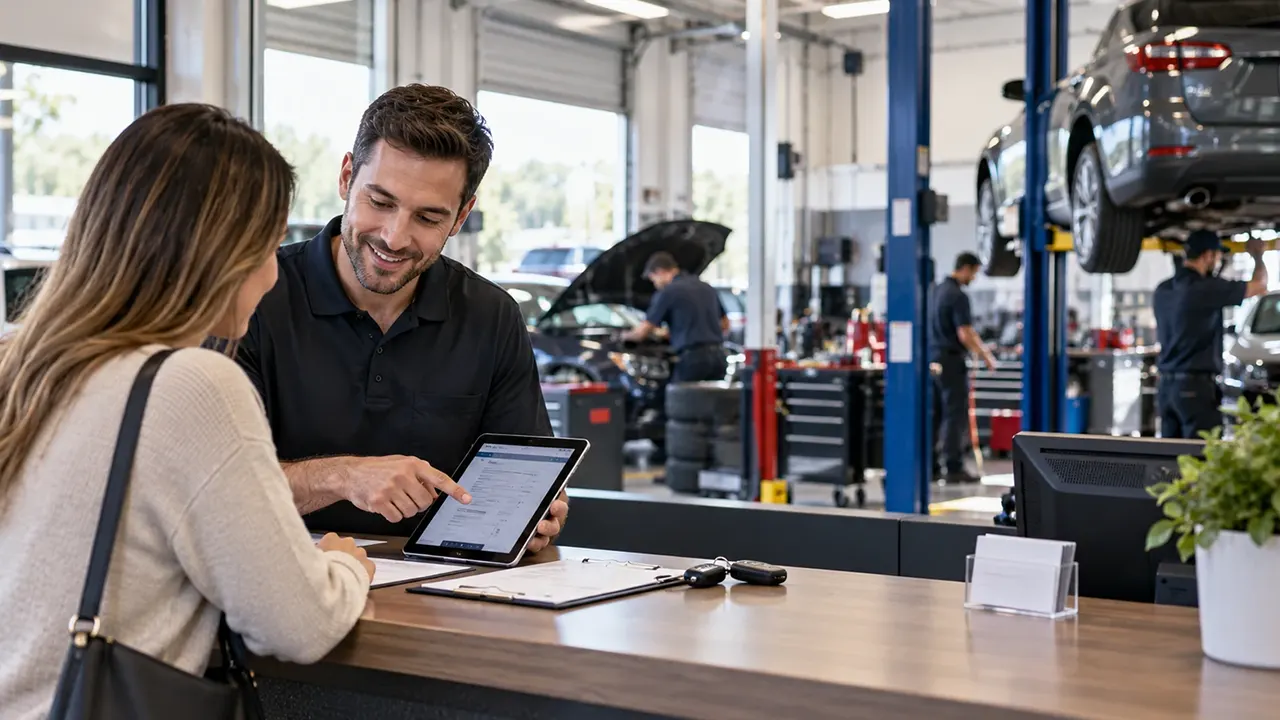
Trust is easier to support when customers understand the work. Explain what was observed, what additional checking is needed, and what options you are presenting. Separate an immediate safety concern from routine maintenance or a condition you recommend monitoring.
Use photographs or short videos when they genuinely clarify a finding. A close-up without orientation can confuse more than it helps. Give enough context for a customer to understand what they are seeing, while avoiding exaggerated claims based on an image alone.
The FTC’s consumer guidance encourages customers to understand written estimates, authorization arrangements, and repair warranties. Treat those questions as normal parts of the relationship, not objections to defeat. Applicable legal requirements still depend on location.
Make the approved work and any changes easy to trace. A marketing message about transparency will ring hollow if the estimate conversation is rushed or a customer doesn’t understand why the final invoice differs.
6. Ask for Honest Reviews Without Trading Rewards for Ratings
Invite customers to share a genuine experience using a straightforward review link or instructions. Keep the request separate from resolving an outstanding repair concern. Staff should never suggest that assistance depends on changing or removing criticism.
Google prohibits incentives such as discounts, free goods, or services in exchange for posting or changing a review. It also prohibits selectively soliciting positive reviews. Don’t use a satisfaction screen that sends only happy customers to the public review destination.
A simple request works better than scripting the customer’s opinion. Ask for honest feedback, not a required star rating or a list of keywords. Avoid staff-created reviews and pressure at the payment counter.
Respond calmly and protect privacy. You can acknowledge an issue and offer a direct conversation without publishing diagnostic history, billing details, or personal information. The public response should show how your shop communicates, not turn a dispute into a performance for other readers.
7. Send Service Reminders People Can Recognize
Useful reminders connect to a real customer relationship and a relevant maintenance need. Base them on known service records and the vehicle maker’s schedule where appropriate, not a blanket assertion that every driver needs the same work now.
Identify the shop, explain why you are contacting the customer, and provide a practical way to respond or stop promotional messages. Follow the consent and communications rules that apply to the channel and location. Keep service notifications separate from optional promotions when their requirements differ.
Check the data before sending. A reminder for a sold vehicle or a repair already completed elsewhere can undermine confidence. Give customers an easy way to correct the record rather than making them ignore repeated messages.
Don’t mistake frequency for relevance. If your message doesn’t help the recipient decide whether to book, update information, or ask a question, sending it more often won’t make it more useful.
8. Build Educational Content Around Real Customer Questions
Record recurring questions without including personal details. Topics might include preparing for a diagnostic appointment, understanding an inspection report, or recognizing when to stop driving and seek assistance. Choose questions your team can answer accurately within its actual expertise.
Keep general explanations separate from vehicle-specific repair instructions. A short video about what to tell an advisor can be helpful without telling an unidentified driver to continue operating a car with a warning sign.
Show the work safely. Film staged demonstrations or stationary components with permission, rather than asking a technician to perform for a camera while managing a lift or moving vehicle. Check the background for documents and customer information before sharing.
Useful content can reduce repeated explanations at the counter as well as attract readers. Ask whether the piece would still help a customer who already knows your shop. If not, it may be advertising copy disguised as advice.
9. Test Focused Advertising Against Real Capacity
Choose one service need and a manageable geographic area for an initial test. Send the visitor to information matching the promise in the advertisement. A message about scheduled maintenance shouldn’t lead to a generic contact form with no service details.
Set a spending limit and a review point you can afford. There is no universal budget or guaranteed cost per booked customer. Geography, competition, service mix, creative quality, and the contact process all influence the result.
Track qualified inquiries and completed appointments separately. A call about an unsupported vehicle or an accidental click is not equivalent to a suitable customer arriving. Record why inquiries do not become bookings before concluding that you need more impressions.
Pause a campaign when the shop cannot handle its response. Changing the appointment promise is more responsible than continuing to advertise availability you no longer have. The goal is work you can serve well, not an impressive dashboard total.
10. Use Offers That Leave the Customer in Control
A promotion should make its scope clear: the included service, applicable vehicles, exclusions, scheduling conditions, and any deadline. Avoid a low headline price that depends on undisclosed mandatory additions.
A maintenance package can be useful when the included work genuinely fits the vehicle and customer. It shouldn’t pressure someone into unrelated repairs or present an optional service as necessary without inspection. Let the advisor explain findings independently of the promotion.
Before launching, ask whether the offer is financially workable after labor, materials, administration, and redemption handling. A busy promotion can still be a poor choice if it displaces more suitable work or creates confusion at the counter.
Give staff the same terms customers see. If the team needs to invent explanations for exceptions, the promotion isn’t ready. Clear conditions protect the relationship more effectively than an ambitious discount with a difficult checkout conversation.
11. Build Local Partnerships Around a Useful Service
Look for a practical connection with nearby organizations rather than collecting logos. A small business with several vehicles may need a dependable booking contact, while a community group may value a short maintenance-awareness session.
Agree on scope, responsibilities, permissions, and how inquiries will be handled. Don’t imply that a partner endorses your repairs without authorization. Be especially careful about referral arrangements in industries or locations with specific disclosure requirements.
For fleet-related work, discuss actual scheduling, authorization, and invoicing needs instead of promising priority access you can’t deliver. A relationship that fits your capacity is more valuable than a broad agreement your staff cannot support.
Review the partnership using relevant outcomes: appropriate introductions, completed appointments, or useful customer education. Attendance and social reactions can be informative, but they don’t automatically show that the collaboration helped either party.
12. Make Follow-Up Part of the Service Experience
After a repair, a short follow-up can check whether the customer has a question about the work or invoice. Make the route back to the shop clear, particularly if the vehicle’s concern returns. Don’t replace a technical reassessment with a marketing message.
A repeat customer may value consistent records and a familiar contact more than another coupon. Confirm how they prefer to receive relevant information and avoid promising that a particular employee will always be available.
If you offer a referral thank-you, define its conditions and keep it separate from public-review requests. A customer should be free to recommend the shop voluntarily without being coached into an undisclosed endorsement or a positive rating.
Use complaints as operational information. Patterns involving unclear estimates, delays, or unanswered calls deserve a process change. Publishing more reassuring posts won’t correct the underlying experience.
13. Choose Giveaways That Fit the Relationship
A useful small item can support recognition, but it isn’t a complete customer-acquisition strategy. Consider whether the recipient will actually use it, whether your contact information remains readable, and whether distribution is appropriate to the visit.
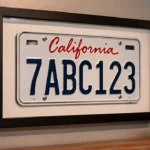
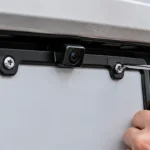
Custom license plate frames can carry a shop name or short message when the customer wants one. Ask before replacing an existing frame, check the plate opening and mounting fit, and keep required information visible. Don’t install promotional branding as an unannounced part of a repair.
A cloth, key tag, or printed maintenance note may suit another situation better. Choose the item around the customer’s use, not the largest available logo area. Broader automotive promotional product choices can help you compare the role of different items without assuming every category is supplied by the same manufacturer.
Never tie a gift to posting, improving, or removing a Google review. Voluntary acceptance of an item and voluntary feedback should remain separate decisions.
Measure the Journey From Inquiry to Return Visit
Use a small set of measures your team can collect consistently. Define each one before comparing periods so that a changed counting method doesn’t look like improved performance.
| Measure | What it helps you understand | Common counting mistake |
|---|---|---|
| Qualified inquiries | Whether the campaign reaches suitable needs | Counting every click as a lead |
| Confirmed appointments | Whether contact becomes a scheduled visit | Treating requests as confirmations |
| Attended appointments | Whether customers arrive | Ignoring cancellations and duplicates |
| Completed relevant work | Whether the campaign fits the shop | Counting unrelated invoice revenue |
| Repeat visits in an appropriate period | Whether relationships continue | Expecting every service to recur quickly |
When you calculate acquisition cost, state what spending and outcome are included. Advertising spend divided by new completed customers is different from total campaign cost divided by all appointments. Neither number means much without a consistent definition.
Ask customers how they heard about the shop, but allow more than one influence. Someone may see a recommendation, search your name, and then call from a map listing. Avoid crediting several channels with a separate new customer for the same visit.
Keep reporting proportionate. A modest test with a few inquiries needs careful notes, not a claim that one channel is permanently superior.
Give Someone Ownership of the Routine
Assign each recurring marketing task to a real role. The person checking profile hours may not be the person answering appointment requests or updating service descriptions. Record where each task lives and who covers it during an absence, so a useful process doesn’t depend on one employee remembering everything.
Keep access to accounts under the business’s control. Review who can publish, change contact details, or export customer information. When working with an agency, agree on ownership of accounts, reporting access, and what happens when the relationship ends before paying for a campaign.
Use a shared calendar for approved messages and check them against workshop availability. A promotion scheduled months ago can become unsuitable after staffing or equipment changes. A short operational check before it runs is often more useful than additional creative variations.
Put One Campaign Into Practice
Choose one goal, one audience, and one clear next action. Name the person handling replies and check appointment capacity before the launch. Prepare the service explanation, intake process, and customer-facing terms together.
For example, a shop with suitable maintenance capacity could test a local message inviting drivers to request a scheduled appointment. The team would record suitable inquiries, confirmations, attendance, and questions that prevented booking. This is an illustrative planning method, not a forecast of results.
At the review point, examine the weak link. Suitable inquiries without bookings may suggest unclear availability or communication. Bookings without attendance may suggest arrival or reminder problems. Unsuitable inquiries may point to targeting or an unclear offer.
Keep what you learned even when the campaign stops. A corrected opening-hours listing or clearer appointment confirmation remains useful after the advertising budget ends.
Frequently Asked Questions
What should a small repair shop do first?
Make it easy for a suitable local customer to find accurate information and reach a person who can explain the next step. Check hours, services, phone handling, booking confirmation, and arrival instructions before expanding into more channels. The first priority should reflect the actual obstacle in your shop, not another business’s favorite tactic.
Are discounts necessary to attract new customers?
No. Clear service information, a convenient appointment process, relevant recommendations, and dependable communication can all be part of the choice. If you use an offer, understand its cost and explain the terms openly. Don’t make your entire marketing identity depend on a price you cannot sustain.
How is repair-shop marketing different from dealership marketing?
A repair shop typically centers on service needs, inspections, authorization, appointment capacity, and repeat maintenance relationships. A dealership may also market vehicle inventory, trade-ins, and sales appointments. Some channels overlap, but the promises, customer questions, and outcomes should be tailored to the business rather than copied between them.
Can a promotional frame help market the shop?
It can provide visible identification when a customer willingly keeps it, but there is no dependable universal conversion rate. Treat it as one optional item within the service relationship. Check fit and required plate visibility, obtain permission before fitting it, and don’t claim that a frame alone will generate repeat repairs.