To protect your car from road salt, remove salty road film with the cleaning method approved for your vehicle, pay attention to lower panels and the underside, and inspect paint damage, drains, and exposed fasteners. Use compatible protective finishes where appropriate, but don’t treat wax, ceramic coating, or underbody treatment as a replacement for washing and inspection.
A clean hood doesn’t tell you whether salt remains behind a wheel-arch liner or around the rear plate bracket. Effective winter care is about the places road spray reaches and stays, not just whether the car looks glossy from a few steps away.
Understand Where the Winter Exposure Comes From
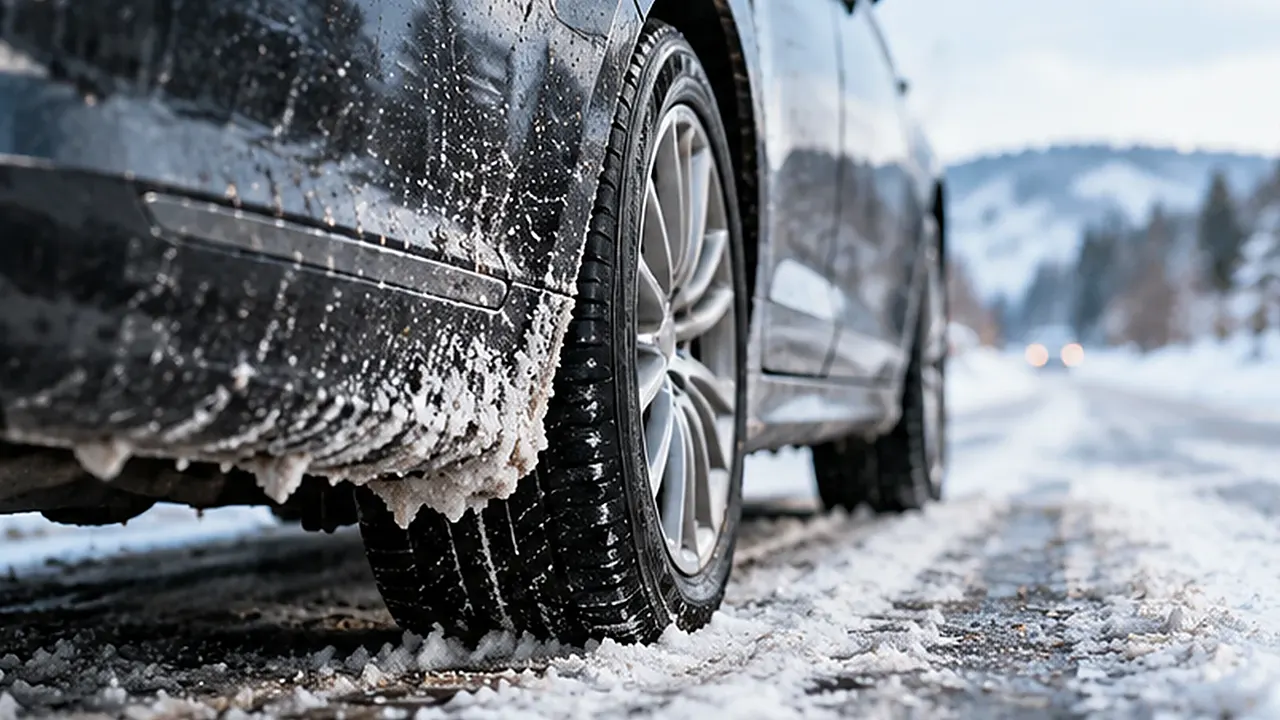
Road treatment can reach the car as wet spray, slush, or residue carried with dirt. You don’t need to drive through visibly deep snow to encounter it. Your route, weather, road treatment, vehicle design, and opportunities to clean all affect the exposure.
Moist contamination collecting against vulnerable metal or damaged coatings is a different problem from a light film on an intact painted panel. That is why rinsing accessible surfaces and inspecting hidden accumulation belong together. Neither appearance alone nor a product claiming protection tells the whole story.
Don’t use a single number of winter days or a universal washing interval as proof your vehicle is protected. Look at actual conditions and the manufacturer’s guidance. A frequently driven car on treated roads may need attention sooner than an occasional-use vehicle kept out of the same conditions.
Also separate prevention from repair. Cleaning can remove contamination, but it cannot restore missing metal, repair a leaking brake line, or reattach a failed coating. Those findings call for assessment rather than a stronger wash product.
Make a Winter Inspection Before Adding Products
Start with a clean, dry vehicle and inspect accessible areas in good light. Look for paint chips, damaged lower trim, displaced liners, loose mud flaps, and areas where dirt remains trapped. Note any existing streaks or corrosion so you can compare their condition later.
Do not crawl under an unsupported vehicle or use a jack as your only support. If a proper underside inspection requires lifting, have a workshop perform it using suitable equipment. You can still check visible lower panels and note concerns without putting yourself beneath the car.
Review the owner’s manual for cleaning restrictions, drain access, sensitive components, and any factory corrosion-protection instructions. Existing wraps, paint protection film, aftermarket coatings, and accessories may have additional care requirements.
If you find damaged underbody coating, uncertain repair history, or rusty-looking components, ask the workshop to identify what needs maintenance and what needs repair. Photographing the concern can help you describe it, but a photograph doesn’t establish the remaining strength of a component.
Prioritize the Places Salt and Dirt Collect
Use a simple location check to avoid washing only the most visible surfaces. Access varies by vehicle, so this is a planning aid rather than permission to remove panels or direct water into every opening.
| Area | What to look for | Care boundary |
|---|---|---|
| Lower doors and rocker panels | Road film, chips, packed dirt | Don’t probe painted seams with sharp tools |
| Wheel arches and liner edges | Slush, mud, displaced liners | Use the vehicle’s approved cleaning approach |
| Underside | Contamination and damaged protection | Use safe access or a suitable workshop |
| Body drains | Visible blockage or standing water | Don’t drill or enlarge drain openings |
| Plate, frame, and screws | Trapped deposits, rubbing, rust streaks | Protect plate finish, lamps, and cameras |
| Tow equipment and added brackets | Accumulation around attachment points | Follow the accessory’s inspection instructions |
| Lights and sensors | Film that limits visibility or function | Use component-compatible cleaning |
The point isn’t to perform a complete mechanical inspection during every wash. It is to notice where your own vehicle repeatedly retains contamination and give those places appropriate attention.
Wash Salt Off Without Creating Another Problem
Choose a Safe Opportunity to Wash
Use a place where water can drain appropriately and won’t create an icy walking or driving surface. In freezing conditions, a suitable wash facility may be more practical than washing outdoors. Follow the vehicle’s requirements for automated wash operation if you use one.
Allow hot components to cool as instructed before cleaning. Don’t assume very hot water is a better solution to winter contamination. Use water and products within the care instructions for the paint, wheels, trim, films, and other surfaces involved.
Plan time for drying and the checks needed before driving away. Door openings, seals, cameras, and windows deserve attention after cleaning, not just the center of each body panel. A rushed wash followed by freezing water around an opening can create a different inconvenience.
Rinse Loose Contamination Before Contact Washing
Remove loose grit and road film with an appropriate rinse before rubbing the surface. Wiping a salty, gritty panel with a dry towel can drag particles across it. Use the vehicle maker’s guidance for water direction and any pressure-washer restrictions.
Give accessible lower areas attention without directing a concentrated jet into seals, exposed wiring, connectors, or sensitive components. A manufacturer’s stated nozzle distance applies to that vehicle and procedure; it shouldn’t be converted into a universal instruction for every car and accessory.
If an area remains packed with frozen material, don’t chip it off with a screwdriver or force trim aside to reach it. Use an appropriate thawing and cleaning opportunity or ask a workshop to assess the obstruction.
Wash With Products Suitable for Each Finish
Use a compatible automotive wash product and clean, soft wash media. Follow the label for mixing and use rather than increasing the concentration because the car looks heavily contaminated. More chemical strength isn’t automatically more effective or safer.
Keep grit-laden wheel or lower-panel tools from returning to clean upper paint. Work in manageable sections and rinse wash media appropriately. If the vehicle has a matte finish, wrap, or protective film, use its own care requirements instead of adding a generic polishing step.
Avoid household abrasive cleaners, steel wool, or aggressive scrubbing around panel seams and fasteners. Persistent staining may need identification, not harder rubbing. Stop if the finish changes, a film edge lifts, or paint begins to flake.
Address the Underside With Appropriate Access
The visible sides are only part of the job. Arrange underside cleaning in the way your vehicle manufacturer permits, using a suitable facility or safely accessible equipment. Do not crawl under a vehicle supported only by a jack to improve your rinsing angle.
Ask what a wash facility actually cleans. A service called an underbody rinse may be useful, but its name doesn’t guarantee that every recess, liner, and aftermarket bracket has been inspected or cleaned. Consider a workshop check when contamination is persistent or access is restricted.
Do not remove protective covers or spray into electrical enclosures to reach hidden salt. Newer vehicles, including electric vehicles, can have components that require specific handling. Their instructions take priority over a general winter-washing routine.
Rinse, Dry, and Check Before Driving
Rinse away cleaning product as directed and dry the surfaces you can safely reach. Check doors, handles, mirrors, cameras, and the plate area. Remove standing water from accessible locations only by methods allowed for those components.
Follow the vehicle maker’s post-wash brake instructions. Don’t apply dressing, wax, corrosion inhibitor, or another protective product to braking friction surfaces. If braking behavior is abnormal or a warning remains, stop and have it assessed rather than assuming more driving will fix it.
Confirm that required lights and visibility systems are clear. NHTSA’s winter preparation advice emphasizes checking vehicle lights and maintaining suitable wipers and washer fluid. Those are driving-safety checks, not substitutes for salt removal, but they belong in the same winter-care routine.
How Often Should You Remove Road Salt?
Use exposure as the trigger instead of waiting for a particular calendar date. Inspect after driving on heavily treated roads, through repeated slush, or after a period when washing wasn’t practical. Visible deposits on lower panels are a prompt to arrange suitable cleaning, not a reliable measure of contamination everywhere else.
A vehicle driven daily on treated roads and parked wet has different needs from one that remains clean and unused. Neither situation supports a fixed rule that every car must be washed at exactly the same interval.
A workable routine is to check accessible collection points regularly during winter, clean when conditions and manufacturer guidance call for it, and arrange a more thorough inspection when buildup persists. Set reminders if helpful, but change the plan when exposure changes.
Keep the routine achievable. A basic, compatible wash completed safely is more useful than postponing all cleaning until you can perform a lengthy detailing session. You don’t need to polish the car every time you remove salty road film.
What Wax, Sealants, and Ceramic Coatings Can and Cannot Do
An appropriate paint-protection product can be part of caring for an intact finish, but its use must match the surface and the product instructions. Don’t apply an ordinary glossy product to matte paint or a film simply because both are on the exterior of the car.
Treat protection as a separate job from cleaning. The surface needs the preparation the product requires, and contamination or damage should be resolved first. Applying a new layer over a dirty panel doesn’t make the underlying problem disappear.
A coating on exterior paint doesn’t protect every seam, fastener, brake line, or underside component. Water beading on the hood is not evidence that the entire vehicle is protected from winter corrosion.
Ask a professional installer to explain the actual maintenance requirements and exclusions of any treatment you purchase. Keep the product and application record. Avoid choosing solely on promises of permanent protection, especially when those promises leave out cleaning, damage repair, and inspection.
Should You Add Undercoating or a Corrosion Treatment?
This is a vehicle-condition decision, not a universal winter necessity. Factory protection, existing coatings, previous repairs, active corrosion, and warranty instructions all affect what is appropriate. Have the underside assessed before choosing an additional treatment.
Ask what preparation is needed, which areas will be treated, which must remain clear, and how later inspections or repairs will be handled. A treatment should not hide an unexplained problem or block an opening that serves a drainage or service function.
Don’t spray a general-purpose protective product indiscriminately around brakes, exhaust parts, sensors, rubber components, or electrical equipment. Product compatibility and application limits matter just as much underneath the car as on visible paint.
If corrosion is already significant, seek a repair assessment rather than purchasing a coating as a way to avoid one. No surface treatment can be assumed to restore lost metal or establish that a safety-related part remains serviceable.
Repair Small Paint Damage Before It Becomes a Larger Issue
After cleaning, inspect chips and scratches that expose the underlying surface. Follow the vehicle maker’s repair recommendations or have a body shop assess them. Match the repair method to the coating and damage instead of covering everything with a generic touch-up product.
Pay attention to edges around wheel arches, lower doors, and accessory contact points. If a part repeatedly rubs the paint, the cause needs attention as well as the visible mark. Applying paint while the rubbing continues doesn’t resolve the attachment problem.
Distinguish contamination from damaged paint. A rust-colored streak may come from an external fastener, while blistering or corrosion emerging from a seam can indicate a different issue. The process for assessing rust stains on car paint begins with that distinction.
Don’t sand a suspicious area just to find out what is underneath. You can make the repair larger and remove useful evidence about where the damage began. Photograph it and seek an appropriate assessment when the cause is uncertain.
Keep Drains and Seams Working as Designed
Look for visible debris around accessible drain areas identified by the vehicle maker. Standing water, recurring dampness, or contamination that returns quickly may justify a service inspection. Use only the documented access and clearing method.
Do not drill additional holes, force a metal pick into a seam, or remove factory seam sealer because an opening seems small. A body cavity can have a specific water-management arrangement that isn’t obvious from outside.
An add-on accessory can also change how dirt and water collect. Check mud flaps, side steps, plate holders, tow equipment, and other additions according to their instructions. Look for trapped contamination and damaged contact areas without treating every accessory as the cause of corrosion.
If a drain appears repeatedly blocked, investigate the source of debris or the underlying fit issue. Repeatedly flushing the same area while ignoring a displaced liner or poorly fitted part can leave the real problem unresolved.
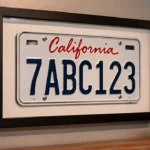
Don’t Forget License Plate Frames and Screws
Road film can remain behind a frame, around screw caps, and between a holder and the plate. Include these places when inspecting the rear or front mounting area. You don’t need to dismantle the assembly for every routine wash, but persistent buildup may call for careful removal and cleaning.
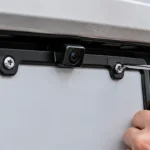
Use the plate-cleaning sequence to protect reflective surfaces, printed details, and registration stickers. If a camera or other wired accessory shares the mount, support it and follow its instructions before loosening anything.
Inspect screws, washers, and contact points separately from the frame material. Rust streaks can originate from hardware even when the decorative border looks sound. Don’t choose a replacement screw solely by its shiny finish; thread, length, head shape, and the mounting insert still need to match.
When selecting a replacement frame, consider its fit, contact design, drainage, finish, and suitable hardware together. The care differences between frame materials and finishes matter more than appearance alone. A frame should not hide damage that needs attention on the plate or vehicle.
Parking and Storage Do Not Replace Cleaning
Shelter can change exposure, but parking a dirty car indoors doesn’t remove contamination already attached to it. Consider whether the vehicle enters storage wet and whether you can inspect it safely. Avoid assuming that a garage automatically makes winter washing unnecessary.
For longer storage, follow the vehicle maker’s preparation guidance and choose suitable conditions. Address known contamination and unresolved damage first. A car cover should be appropriate for the vehicle and environment; putting one over gritty, wet bodywork isn’t a substitute for preparation.
Keep cleaning products and other chemicals from leaking near the stored car. If the storage area has moisture or ventilation problems, deal with those conditions rather than adding another surface product and hoping it compensates.
Before returning a stored vehicle to use, make the relevant maintenance and safety checks. Winter protection is only one part of vehicle care, and a visually clean underside doesn’t establish that brakes, tires, or other systems need no attention.
Know When to Book a Workshop Inspection
Seek help for persistent rust emerging from seams, flaking or swollen areas, damaged underbody protection, insecure components, unusual braking, leaks, or warning messages. These are not problems to diagnose conclusively with a wash mitt.
Bring photographs and describe where and when you noticed the issue. Mention recent winter exposure, previous body repair, and any treatment applied if you know them. Don’t guess a cause just because the problem appeared after a salted-road journey.
Ask the workshop to distinguish cleaning, preventive maintenance, cosmetic repair, and safety-related repair. Understanding which job is proposed helps you decide what needs attention now and what can be monitored under professional advice.
Keep the findings with your service records. Comparisons over time can help track a recurring concern, while a vague memory that something looked rusty last winter is much less useful.
Finish Winter With a Thorough Check
When regular road-salt exposure subsides, arrange a suitable wash and inspection rather than assuming spring rain has cleaned every recess. Look again at areas where buildup repeatedly occurred and any parts that were difficult to reach during freezing weather.
Check the plate assembly, lower trim, accessible drains, paint chips, and added brackets. Resolve loose fittings and damaged protection using the appropriate instructions. If a workshop is already servicing the vehicle, ask whether an underside condition check can be included.
Review what made the winter routine difficult. Better access to a suitable wash facility, clearer product instructions, or repair of a recurring debris trap can be more useful next season than buying another bottle of coating.
Frequently Asked Questions
Does rain wash road salt off a car?
Rain isn’t a dependable substitute for a suitable wash. It may wet visible surfaces without cleaning sheltered areas, the underside, or trapped deposits. Judge the vehicle’s condition and follow its care instructions rather than assuming a rainy journey completed the cleaning task.
Can I wash the car when it is freezing outside?
Choose conditions and a facility appropriate to safe washing and drying. Outdoor washing can create ice and leave water around openings. Follow the vehicle and wash-facility instructions, and don’t use excessively hot water as an improvised solution. If suitable conditions aren’t available, arrange another safe opportunity.
Will a ceramic coating stop underbody rust?
A coating applied to exterior paint should not be treated as protection for untreated underside parts, damaged metal, or every fastener. Identify exactly what was coated and its maintenance requirements. Continue appropriate cleaning and inspection, and have existing corrosion assessed rather than relying on a broad product name.
Are stainless screws enough to protect the plate area?
No single fastener material establishes protection for the whole assembly. Correct fit, suitable materials, finish condition, drainage, and cleanliness all matter. A replacement screw must still match the mounting system. Check the source of existing streaks before replacing parts or covering them with a different frame.
Should I add a salt-neutralizing cleaner?
Only choose a specialist cleaner when its instructions cover the actual surfaces and task, and the vehicle’s care guidance permits it. The product name doesn’t establish that it is suitable for paint, wheels, lamps, cameras, rubber, or existing coatings. Ask what application, rinsing, and protective-equipment requirements apply before buying it. Don’t improvise a household neutralizing mixture or treat a chemical reaction as proof that every deposit is gone. Ordinary compatible cleaning and a proper inspection remain the starting point; persistent contamination deserves identification rather than a stronger unverified formula.