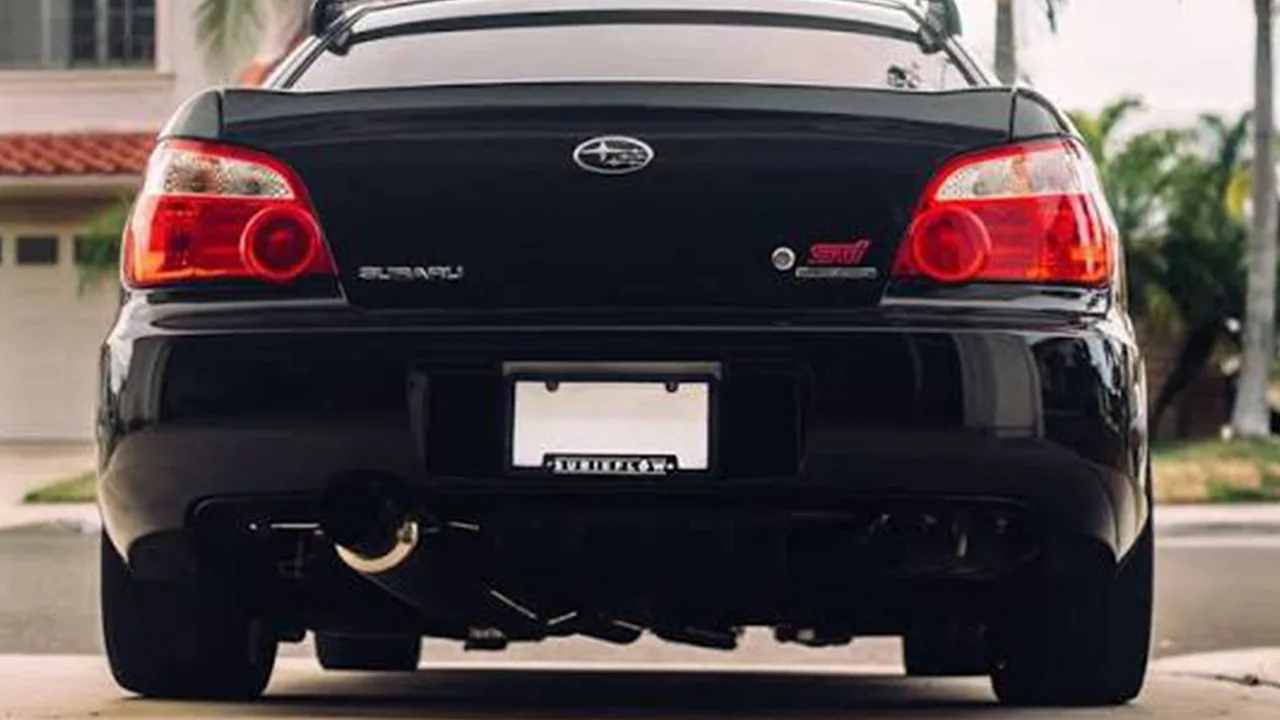
Idaho does not impose a blanket ban on ordinary license plate frames. The frame must leave the plate clearly visible and legible, and the plate must remain securely mounted in the required position. A thick border that hides characters, the issuing state, or other identifying information can conflict with that rule.
There is a fresh 2026 detail to know: Idaho stopped issuing registration stickers and moved to permanent license plates on July 1, 2026. Older discussions that focus on a frame covering the renewal sticker no longer describe the current system for ordinary Idaho registrations.
What Idaho law requires
Idaho Code § 49-428 requires a plate to be securely fastened, displayed horizontally, at least 12 inches above the ground, in a place where it is clearly visible. It must be maintained free from foreign materials and in a condition that is clearly legible.
Idaho Code § 49-443 also addresses plate readability and reflectorization. Taken together, the rules point to a practical standard: the official plate should be identifiable at a reasonable viewing distance, not merely readable when you lean close to the bumper.
Are license plate frames legal in Idaho?
A narrow frame can be used when it does not interfere with the statutory display requirements. Idaho’s rule focuses on the result. It does not say that every object touching the outer edge is illegal, but it also does not protect a product simply because the seller calls it a frame.
Replace or remove the frame if it:
- overlaps any registration letter or number;
- hides the word “Idaho” or other identifying wording;
- tilts, bends, or shifts the plate out of a clear position;
- adds tint, glare, haze, or a reflective layer over the face;
- allows the plate to swing; or
- collects mud, snow, or road film that makes the plate difficult to read.
What changed on July 1, 2026?
The Idaho Transportation Department announced that the state ended registration sticker issuance and moved to permanent license plates effective July 1, 2026. Registration still must be kept current, but motorists no longer receive a new validation sticker to place on the plate.
This changes one common fit concern. Before July 2026, a border could create a problem by obscuring a validation sticker. Under the current permanent-plate system, there is no new sticker to display. The broader visibility and legibility duties remain, so the change does not authorize a frame to cover the plate number or state identification.
Why older Idaho advice may be misleading
Search results, forum posts, and even court discussions may describe the previous sticker system. One 2026 appellate decision reviewed a 2024 traffic stop involving a frame that obscured a sticker, but the opinion itself noted the later statutory change. It was also unpublished and states that it may not be cited as authority.
That history can explain why you still see sticker warnings online, but it should not replace the current law. For an installation made now, focus on the complete plate’s visibility, its secure mounting, and Idaho’s new registration process.
Does the state name need to remain visible?
The safest answer is yes. Idaho’s statutes use broad “clearly visible” and “clearly legible” language rather than limiting the test to the serial characters. The state name tells an observer which jurisdiction issued the number, so covering it creates an unnecessary enforcement risk.
This matters with thick top rails and raised lettering. The frame can appear to have a large opening while still cutting into the word at the top. Compare the inside window, not only the outside frame size.
Frame or cover?
An open edge frame surrounds the plate. A cover puts plastic, film, or another material over its face. A smoked or reflective cover can reduce readability even when it does not physically touch the characters. Weathering can also turn a clear cover cloudy.
For a low-risk Idaho setup, use a frame that leaves the face exposed. The construction differences in a license plate frame and cover are worth checking before you buy.
A current Idaho frame checklist
- Ignore the old sticker slot. For current Idaho plates, evaluate the frame against the permanent-plate system introduced July 1, 2026.
- Expose the full registration sequence. No rail or fastener cap should touch it.
- Leave “Idaho” and other official wording visible.
- Mount the plate securely and horizontally. Do not let the frame bow or suspend it loosely.
- Check the view from a normal distance. Repeat at night and after washing.
- Remove accumulated dirt and snow. Legibility is an ongoing condition, not a one-time installation test.
Quick answers
Can an Idaho frame cover the registration sticker?
Idaho stopped issuing registration stickers on July 1, 2026. Older plates and online discussions may still show them, but the current system uses permanent plates. The number, state identification, and plate as a whole still need to remain visible and legible.
Can a frame cover the word “Idaho”?
That is not a sensible interpretation of the clear-visibility rule. Choose a slimmer top border and leave the issuing state exposed.
Are clear plate covers legal in Idaho?
A transparent accessory is not automatically safe. If glare, haze, tint, scratches, or dirt make the plate less legible, it can conflict with Idaho’s display requirements.
Do specialty plates need a different frame?
They may. Words and graphics can sit closer to the edge on some designs. Measure the visible opening and test the frame on the actual plate instead of assuming one border works equally well for every design.
Bottom line
Idaho’s current rule is straightforward: the plate must be secure, horizontal, clearly visible, and clearly legible. The 2026 move to permanent plates removes the renewal-sticker issue from current installations, but it does not relax the main visibility requirement. A slim open frame is easier to fit without covering official information.
This information reflects statutes and Idaho Transportation Department material reviewed on September 24, 2026. It is general information, not legal advice.