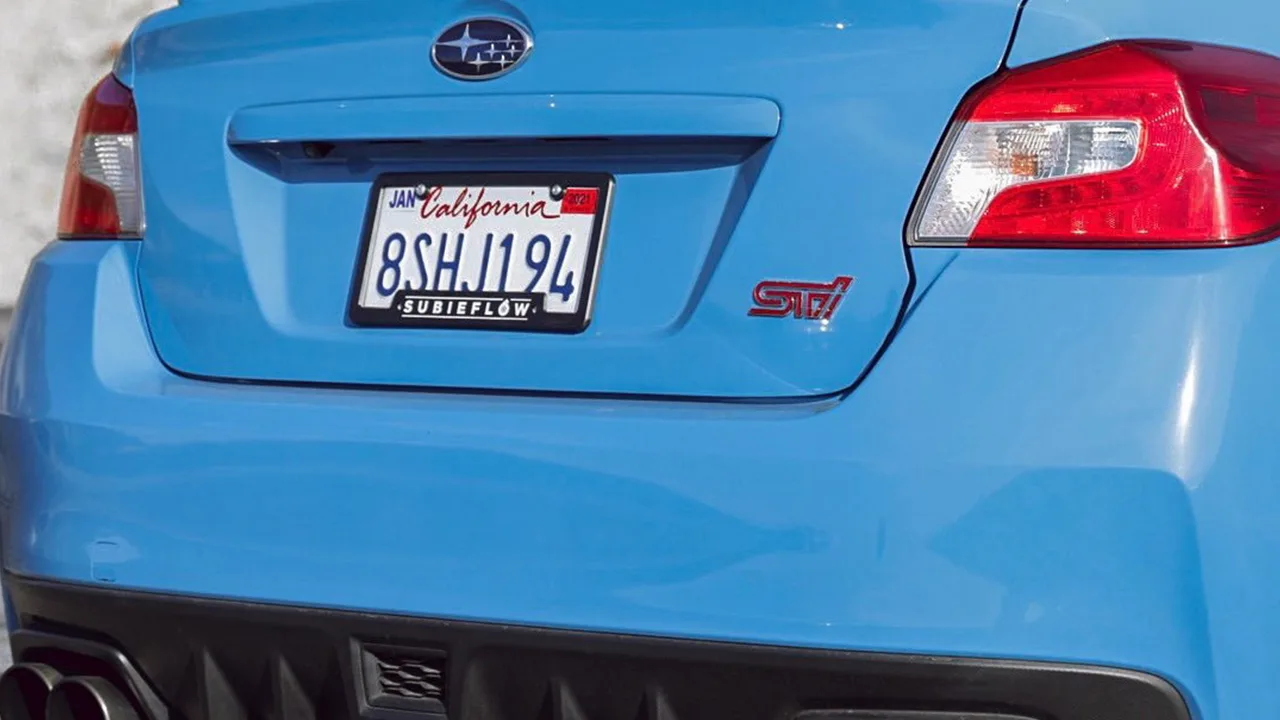
Since July 1, 2026, Kansas has expressly prohibited a license plate frame or other object on or around a plate when it affects the plate’s visibility or legibility. The law identifies the registration number, state of issue, expiration month, registration-decal color, and other required decals as information that must be determinable from a reasonably safe distance.
There is a transition period: for the new frame-or-object provision, an officer must issue a warning citation through December 31, 2026. Beginning January 1, 2027, that warning-only requirement ends. The continuing fine for unlawful display is $60.
The new rule in Kansas SB 403
Senate Bill 403 amended Kansas plate-display law and took effect July 1, 2026. It prohibits a person from attaching or displaying on a vehicle—or operating a vehicle with—a plate that has a frame or other object on or around it when that object affects visibility or legibility.
The legislation is more specific than a general “keep it readable” statement. For this rule, visibility and legibility mean being able to determine, from a reasonably safe distance:
- the assigned alphanumeric registration number;
- the state of issue;
- the expiration month shown on the registration decal;
- the color of the registration decal; and
- any other required decal.
The definition excludes the abbreviated state designation, expiration year, and the small plate number printed on the registration decal. That does not mean a frame should be deliberately positioned over those areas; it explains which details the new statutory visibility definition specifically uses.
Are license plate frames illegal in Kansas?
No—Kansas did not ban every frame. The law bans a frame or object that affects the required visibility or legibility. A slim border that leaves the listed information clearly determinable can comply; a wide top rail that hides “Kansas,” a corner that masks the decal, or a border that overlaps the registration sequence can violate the new rule.
The easiest approach is to expose more than the minimum. If you can see every official item on the plate without leaning close or viewing it from a special angle, you avoid debates about which small element falls inside the technical definition.
How the 2026 warning period works
| Date | Frame or object affecting visibility |
| July 1 through December 31, 2026 | Law is in effect, but an officer must issue a warning citation for the new frame-or-object provision |
| January 1, 2027 onward | The statutory warning-only period has ended; the continuing unlawful-display fine is $60 |
A warning period is not permission to keep using an obstructive frame. The conduct is already prohibited, and the transition exists to give motorists time to correct it. Replacing or removing the frame now is simpler than waiting for the enforcement change.
Plate covers follow a separate continuing rule
Kansas law already prohibited covering a plate, in whole or in part, with clear, opaque, or plastic-like material when the material affects the plate’s visibility or reflectivity. That continuing cover rule is distinct from the new frame language.
Do not assume the 2026 warning period protects every plate-cover violation. The legislative summary describes the warning citation specifically for the new provision concerning a frame or object on or around the plate. A smoked, reflective, or camera-obscuring cover presents a different and more immediate issue.
What a Kansas frame must leave open
| Plate element | Practical check |
| Registration number | No rail, fastener cap, or decoration touches any character |
| State of issue | “Kansas” remains identifiable from a normal viewing distance |
| Expiration month | The relevant part of the decal is not under a corner or side rail |
| Decal color | The frame does not cover or visually alter the decal |
| Other required decal | The complete required item remains visible |
How to fix a noncompliant frame
- Remove the frame and clean the plate. Confirm that dirt is not contributing to the problem.
- Re-center the plate. An otherwise narrow frame can obstruct information if installed off-center.
- Measure the inner opening. Compare it with the actual location of the state name and decals.
- Choose a slimmer rail. Avoid raised lettering or decorative corners in crowded areas.
- Skip the cover. An open frame avoids adding material that may reduce reflectivity.
Outside size tells you little about coverage. Compare the visible license plate frame opening before tightening the hardware.
Does the law apply to dealer frames?
Yes. A dealership frame is still a frame under the rule. The advertising may remain, but its rails cannot affect the visibility or legibility of the required plate details.
Frequently asked questions
Can a Kansas frame cover part of the state name?
No. The new definition specifically includes the state of issue as information that must be determinable from a reasonably safe distance.
Can a frame cover the registration decal?
It cannot prevent determination of the expiration month, decal color, or another required decal. Leave the full decal exposed to avoid a marginal fit.
Will you only get a warning in 2026?
For a violation of the new frame-or-object visibility provision, the law requires a warning citation until January 1, 2027. Do not extend that statement to other plate offenses or assume the setup is lawful during the warning period.
What happens in 2027?
The warning-only requirement ends. Kansas’s continuing fine for unlawful plate display is $60.
Bottom line
Kansas now says exactly what an installed frame cannot interfere with. Keep the number, issuing state, expiration month, decal color, and required decals visible from a reasonably safe distance. The second half of 2026 is a correction period, not a loophole.
This information reflects SB 403 and Kansas legislative material reviewed on September 24, 2026. It is general information, not legal advice.