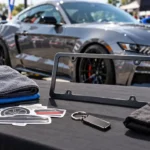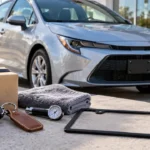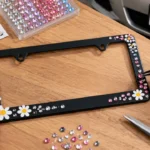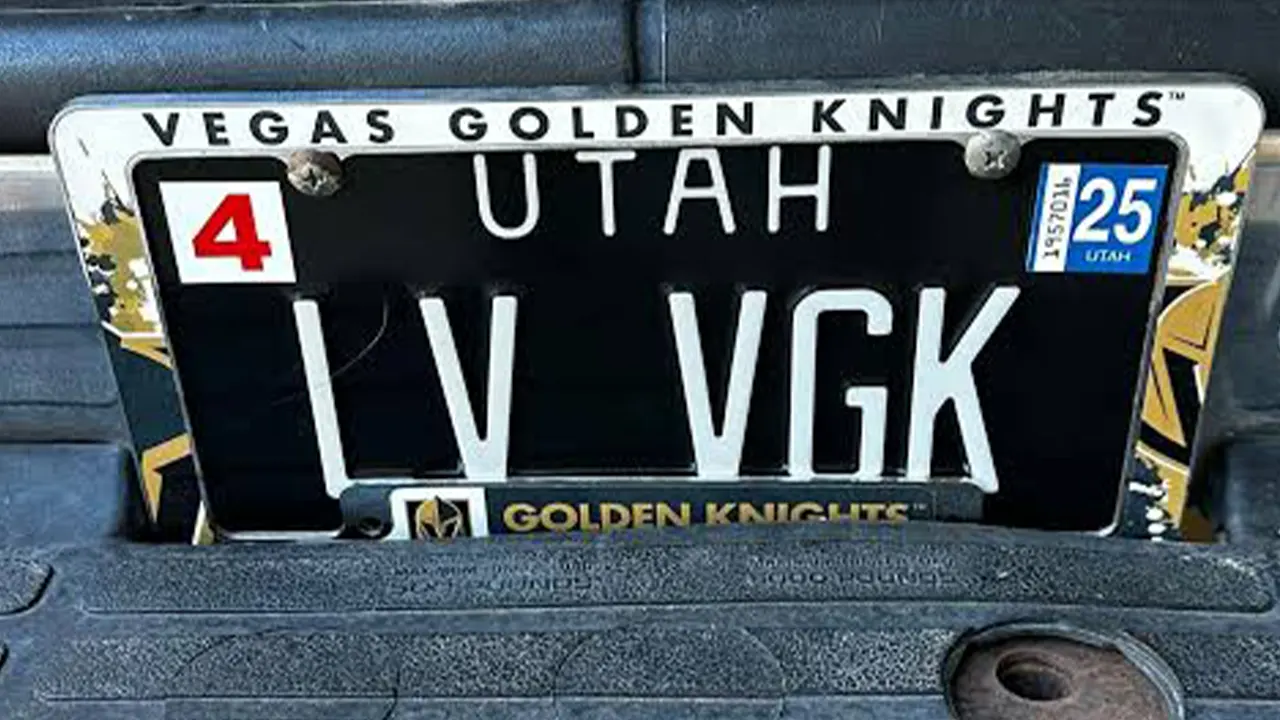
Utah draws a clear distinction between a plate frame and a plate cover. A cover may not be attached to or over a license plate. A frame may be used only if it does not cover protected information, including the state name, any letter or number in the plate number, or the registration decal. In practical terms, choose an open frame that leaves those areas uncovered and mount the plate securely at the rear.
Are license plate frames legal in Utah?
Yes, a frame can be used, but the opening matters. Utah Code §41-1a-403 prohibits a frame that covers the state name, a letter or number in the plate number, or a registration decal. This is more specific than a general instruction to keep a plate “readable.” If a frame’s top or bottom bar reaches into one of those protected areas, choose a different frame or remove it.
The same rule applies to aftermarket, dealership, decorative, and branded frames. The logo on the border does not change what the statute protects. Check the assembled plate, not just a product photograph: screw heads, caps, a misaligned frame, or a shifted plate can create overlap even when the frame itself appears narrow.
Are license plate covers allowed?
No. Utah law prohibits attaching a license plate cover to or over a plate. The ban is not limited to tinted or smoked covers. A clear cover is still a cover, so do not treat transparency as an exception.
A frame and a cover are different products. A frame surrounds the edge and leaves the face open; a cover places material over the plate. If your goal is simply to add a border or keep the plate aligned, use a frame that does not cover the protected information rather than adding a clear shield.
What must stay visible on the plate?
For frame placement, Utah’s rule specifically protects three areas: the state name, every character that forms the license plate number, and the registration decal. Keep the entire decal area free from the frame and mounting hardware. A small overlap can still matter if a screw cap sits on the decal or if the border clips a character.
Utah DMV guidance notes that the current registration decal is displayed on the plate. Decal formats and plate artwork can change, so check the plate currently assigned to the vehicle. Don’t assume the frame that cleared an older plate will fit a replacement or specialty design in exactly the same way.
Where does the plate go in Utah?
For most vehicles, Utah issues one license plate and requires it at the rear. The plate must be securely fastened in a horizontal position, at least 12 inches from the ground when measured from its bottom edge, and placed where it is clearly visible. It must also be kept free of foreign material and in condition to remain legible. Motorcycles have a separate placement section, so follow that rule if you are fitting a motorcycle plate.
When you install the frame, make sure it does not tilt the plate, swing loosely, or sit behind a bumper lip that hides part of it. Check the plate light as well. A frame that leaves the face open can still be a poor installation if it blocks illumination or allows the plate to move.
How to check your Utah frame installation
Place the frame over the exact plate before fastening it. Confirm the state name, all letters and numbers, and the current registration decal are fully outside the frame opening. Then install the assembly horizontally, tighten the fasteners evenly, and inspect it from directly behind and from a slight angle on each side. Finally, turn on the vehicle lights and make sure the plate remains illuminated.
If a border overlaps the decal or a character, don’t try to solve it with a different screw position unless the plate remains securely attached and the protected information is clear. A slimmer frame or no frame is the straightforward fix.
Choosing a frame for a Utah plate
Start with the clear opening, not the outside dimensions. Compare the opening against the state name, plate number, and decal position on the actual Utah plate. Leave room around the decal for mounting tolerance and screw heads. The license plate frame size guide can help you compare the opening and mounting layout.
If you want to review U.S.-format license plate frames, treat the product listing as a style and format reference—not a legal approval. Utah compliance depends on the plate design and the finished installation.
Utah plate-frame checklist
- Do not install any cover over the license plate, even a clear one.
- Keep the state name, every plate-number character, and the registration decal outside the frame border.
- Mount the plate at the rear, horizontally and securely, following the rules for the vehicle type.
- Check screw heads and decorative caps for overlap with the decal or plate characters.
- Verify that the plate remains visible and illuminated after installation.
Frequently asked questions
Can a frame cover the Utah state name?
No. Utah’s frame rule identifies the state name as information a frame may not cover. Choose a frame with enough top clearance to leave the full name visible.
Can I use a clear plate cover in Utah?
No. The statute prohibits a license plate cover, not merely tinted covers. A clear cover is still a cover.
Does Utah require a front license plate?
For most vehicles, Utah issues one plate for rear display. Motorcycle placement is covered separately. Check the rule for your vehicle category rather than relying on a general car rule.