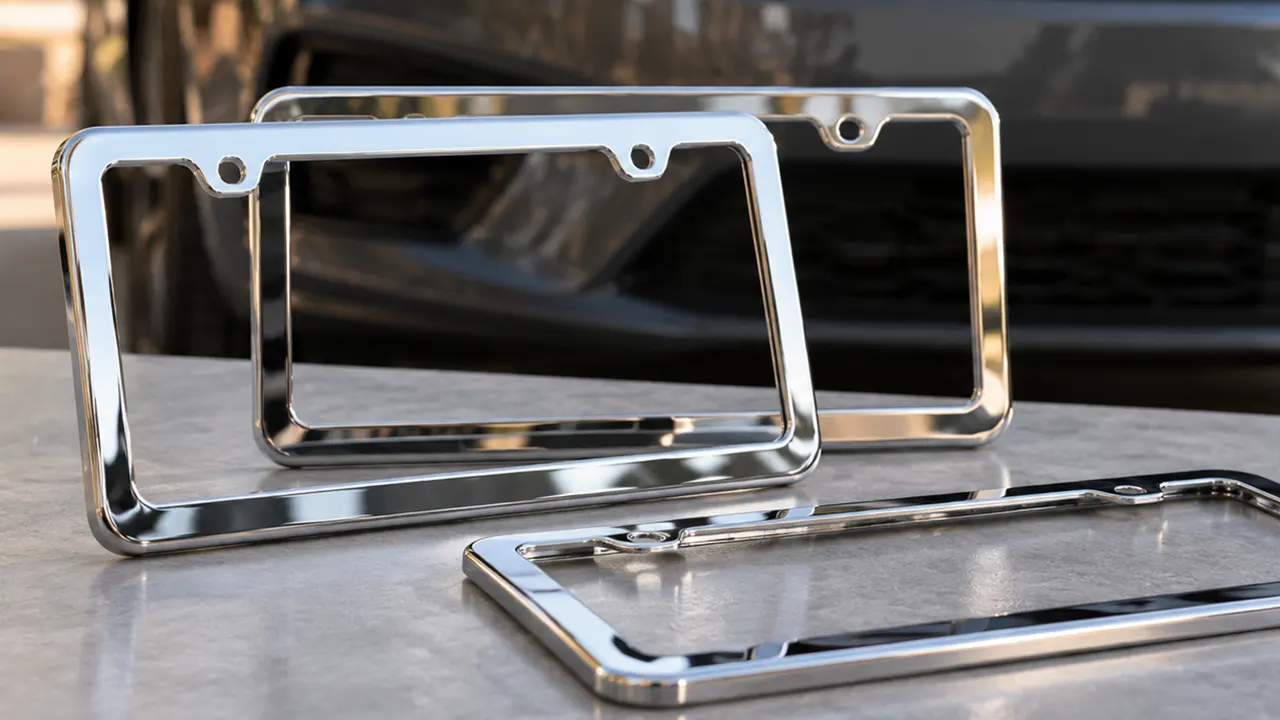
Chrome license plate frames are a popular choice for drivers who want to give their vehicles a clean, polished appearance without making major changes to the exterior. Their reflective finish works well with chrome trim, polished wheels, and other bright details, making them suitable for everything from everyday passenger cars to premium automotive accessories. However, not all chrome license plate frames are made the same way. Some feature a metal base with a chrome-plated surface, while others use plastic with a chrome-look finish. Although these products may look similar at first glance, their materials, construction, weight, and long-term performance can differ considerably.
So, what should you look for when choosing the best chrome license plate frames? The answer depends on your priorities, whether that means achieving a premium appearance, finding a practical option for everyday driving, or developing a custom product for a retail brand or dealership. Understanding the differences between materials, finishes, mounting styles, and customization methods will help you make a more informed decision and avoid choosing a product based on appearance alone.
What Makes a Good Chrome License Plate Frame?
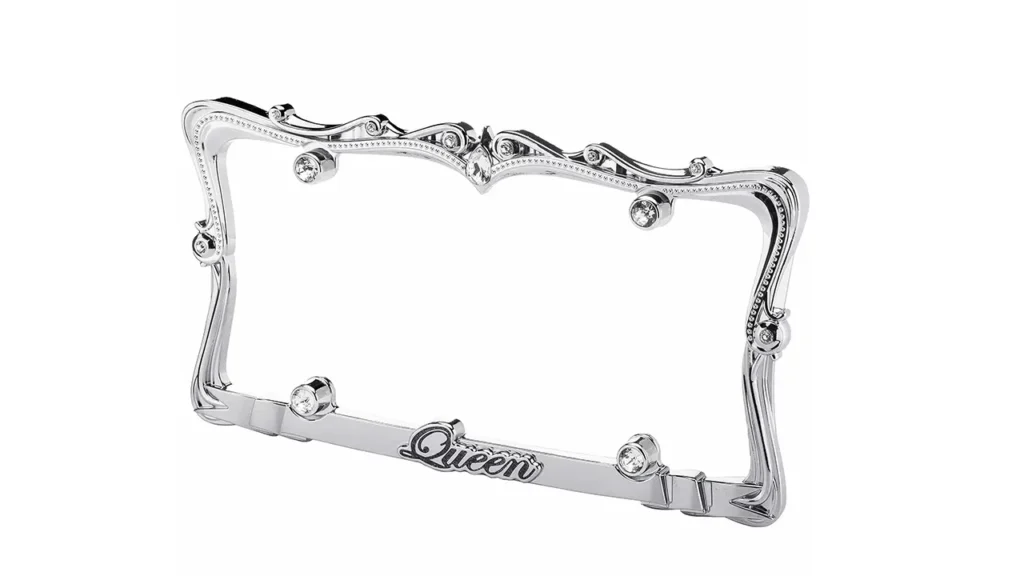
A good chrome license plate frame should combine an attractive finish with a suitable structure, accurate dimensions, and reliable mounting. The reflective surface is usually the first thing people notice, but details such as edge quality, material consistency, mounting-hole placement, and overall fit are just as important. A frame with an uneven finish or rough edges can look inexpensive even when the design itself is attractive, while a well-made frame should have a consistent appearance and fit the intended plate without unnecessary movement.
Material selection also plays an important role. Metal frames may provide a more substantial feel, while plastic frames offer greater flexibility in molded shapes and can be suitable for cost-conscious product lines. Neither option is automatically the best for every application, so it is worth considering the intended market, expected use, and target price before making a decision. For businesses sourcing frames in bulk, the quality of the surface treatment, consistency between production batches, and availability of custom branding may be just as important as the appearance of the finished product.
Types of Chrome License Plate Frames
The term chrome license plate frame describes a finish or appearance rather than one specific material. Understanding how different frames are manufactured makes it easier to compare products and determine which option suits your requirements.
Chrome-Plated Metal License Plate Frames
Chrome-plated metal frames have a metal base covered with a chrome finish. Depending on the design, the base may be zinc alloy or another suitable metal, with the final appearance influenced by the plating process, surface preparation, and quality of the underlying material. These frames are often chosen for their bright, reflective appearance and more substantial feel, making them suitable for premium automotive accessories, dealership merchandise, and retail collections that emphasize a polished metal look.
When comparing chrome-plated metal frames, pay attention to the consistency of the finish, the smoothness of the edges, and the quality of the mounting structure. A shiny surface alone does not tell you everything about the product’s construction or durability. For larger orders, requesting material specifications and reviewing a physical sample can help you confirm whether the frame meets your expectations before moving into production.
Chrome-Look Plastic License Plate Frames
Chrome-look plastic frames use a plastic base with a reflective finish designed to resemble chrome. They can be a practical option when low weight, molded design flexibility, and production cost are important considerations. Plastic also makes it possible to create different shapes and decorative details through molding, which can be useful for brands developing products for specific customer groups or retail price points.
The important distinction is that a chrome-look finish is not necessarily the same as chrome plating on metal. The actual material and finishing process determine the product’s appearance and performance, so buyers should check the specifications rather than relying on product photographs alone. If you are sourcing frames for resale, ask the manufacturer to identify the base material and explain the finishing method so that your product descriptions accurately reflect what you are selling.
Polished Stainless Steel and Other Bright Metal Finishes
Some license plate frames achieve a bright appearance through polishing rather than chrome plating. Polished stainless steel, for example, can provide a reflective metal surface, while aluminum frames may use polishing, coating, or other surface treatments to achieve a particular look. These finishes can resemble chrome in photographs, but they are not interchangeable terms from a manufacturing perspective.
For personal buyers, the visual difference may be the main consideration, but for automotive brands, distributors, and private-label businesses, accurate material descriptions are important for product listings, specifications, and customer expectations. Before placing a custom order, confirm whether the requested appearance requires actual chrome plating, polished metal, or a chrome-look coating, and make sure the approved sample matches the agreed specification.
Chrome-Plated Metal vs. Chrome-Look Plastic Frames
Choosing between chrome-plated metal and chrome-look plastic comes down to the balance you want between appearance, weight, construction, and cost. Metal frames can provide a more substantial feel and a suitable base for certain premium finishes, while plastic frames can offer lightweight construction and more freedom in molded shapes. The final result depends on the specific material, manufacturing process, and design rather than the material category alone.
If you are buying a frame for everyday use, consider how it fits the vehicle, whether the mounting points match, and whether the finish is appropriate for the conditions in which the vehicle is driven. If you are developing a product for retail or wholesale, it is also worth comparing production costs, branding options, packaging requirements, and the consistency of the finished product across larger quantities. Rather than assuming that metal is always better or plastic is always cheaper in the long run, compare the actual specifications and evaluate each option against the needs of your project.
Chrome vs. Polished Silver: What’s the Difference?
Chrome and polished silver finishes are sometimes used interchangeably in casual product descriptions, but they do not necessarily refer to the same manufacturing process. Chrome usually describes a chrome-plated surface or a finish designed to reproduce the chrome appearance, while polished silver may describe the color or reflective look of a product without specifying how the surface was created. A polished stainless steel frame, a silver-colored coating, and a chrome-look plastic frame may all appear shiny, yet their base materials and finishing methods can be quite different.
This distinction becomes especially important when comparing supplier quotations or preparing product specifications for a retail collection. If you need a particular finish, ask the manufacturer to confirm the material and surface treatment instead of relying only on terms such as silver, mirror finish, or chrome-style. For a more detailed comparison, see our related article on Chrome-Plated vs. Chrome-Look License Plate Frames, which explains the differences between these finishes and what they mean for product selection.
Choosing the Right Chrome License Plate Frame Style
Once you have narrowed down the material and finish, the next step is to choose a frame design that suits the vehicle and intended application. Slimline frames have a narrower border that creates a clean, understated appearance, making them a good option for drivers who prefer minimal decoration. Their smaller border also means there may be less room for a logo or additional text, so the available branding area should be considered if customization is part of the plan.
Standard chrome license plate frames provide a more conventional border and may offer additional space for decorative details, dealership names, or short messages, depending on the design. They can work well for general automotive accessories, promotional products, and retail collections where visibility and branding are important. For either style, the frame should fit the intended plate dimensions and mounting arrangement without covering required characters, registration stickers, or other information that must remain visible.
Chrome Frames with Custom Text or Logos
Custom chrome license plate frames are useful when the product needs to represent a business, dealership, automotive brand, or private-label collection. Depending on the material and surface finish, branding may be applied through printing, engraving, raised lettering, or another suitable method. The right approach depends on the desired appearance, available space, artwork, and production requirements, so it is worth confirming the branding method before finalizing the design.
For example, a dealership may want its name displayed clearly along the lower border, while a premium automotive brand may prefer a smaller logo and a more restrained design. In either case, the logo should remain readable without overcrowding the frame or interfering with required plate information. If you are planning a custom project, share your artwork and preferred layout with the manufacturer early in the process so that the design can be reviewed before sample production.
How to Choose the Right Mounting Hole Configuration
Mounting holes are an important part of frame compatibility, but the number of holes alone does not determine whether a frame will fit a particular vehicle. Some designs use two mounting holes, while others use four or another arrangement, and the actual fit depends on the distance between the mounting points, the plate dimensions, the vehicle’s mounting surface, and the available hardware. A frame that looks correct in a photograph may still be unsuitable if its hole positions do not match the intended application.
Before purchasing or ordering custom chrome license plate frames, check the intended plate size, mounting-hole positions, hole spacing, and available clearance around the plate. The frame should sit properly against the mounting surface and remain securely fastened without putting unnecessary pressure on the plate. For wholesale and OEM projects, providing a drawing, physical sample, or complete mounting specification helps the manufacturer confirm the design more accurately and reduces the risk of fit-related problems after production.
How Durable Are Chrome License Plate Frames?
The durability of a chrome license plate frame depends on its base material, surface preparation, finishing process, construction, and exposure to outdoor conditions. A bright finish can make a product look premium when it is new, but that appearance alone does not guarantee long-term performance. If the frame will be exposed to frequent rain, road salt, strong sunlight, or regular cleaning, the quality of the material and surface treatment becomes particularly important.
Surface Finish and Plating Quality
A consistent finish is a useful starting point when evaluating a chrome-plated frame. Look for obvious defects such as uneven color, rough patches, peeling, or poorly finished edges, as these can affect the appearance of the finished product. These visual checks do not replace formal testing, but they can help identify issues before purchase or sample approval.
For larger orders, ask the supplier about the finishing process and the inspection criteria used during production. If appearance consistency is important to your brand, agree on acceptable finish standards and review an approved sample before bulk manufacturing begins. This provides a clearer reference for evaluating subsequent production batches.
Weather Exposure, Scratches, and Corrosion
License plate frames are exposed to moisture, dirt, temperature changes, sunlight, and, in some regions, road salt. How well a frame handles these conditions depends on the material and protective finish, so broad claims such as rustproof or all-weather should be supported by relevant product information or test results. A plated surface may be affected if its protective finish becomes damaged, while other materials have their own performance characteristics that should be considered during selection.
Scratches and surface damage can also affect the appearance of a chrome frame. Avoid using steel wool, abrasive pads, or harsh cleaning products unless they are specifically suitable for the finish. For routine maintenance, a soft microfiber cloth, mild soap, and clean water are generally a sensible starting point. If peeling, corrosion, cracks, or other visible damage develops, inspect the frame and mounting area to determine whether the product should be replaced.
How to Maintain a Chrome License Plate Frame
Regular, gentle cleaning can help maintain the appearance of a chrome license plate frame. Start by rinsing away loose dirt so that grit does not scratch the surface during wiping, then clean the frame with mild soap, water, and a soft cloth. Rinse thoroughly and dry it to reduce water spots, following any additional care instructions provided for the specific material or finish.
It is also worth checking the mounting hardware occasionally, particularly if the vehicle is frequently driven on rough roads. Loose hardware can allow the frame to move or rattle, while overtightening can put unnecessary stress on the frame or plate. Keeping the mounting area clean and making sure the frame remains properly secured can help prevent avoidable installation problems.
What to Look for When Buying Chrome License Plate Frames
Whether you are buying a single frame or sourcing a large quantity for a business, start by confirming the actual material and surface treatment. A chrome-plated metal frame and a chrome-look plastic frame may appear similar online, but their specifications can differ significantly. Once the material is confirmed, check the frame dimensions, mounting-hole positions, finish quality, and available branding options to make sure the product suits its intended application.
It is also important to consider the target market and price point. A premium automotive accessory may require a different balance of materials and finish quality from a promotional frame designed for high-volume distribution. For OEM and private-label projects, review the available logo methods, packaging options, production requirements, and sample approval process before placing an order. Photographs are helpful for initial comparisons, but a physical sample gives you a better opportunity to assess the weight, surface texture, edge quality, and overall fit before committing to bulk production.
Can Chrome License Plate Frames Be Customized?
Yes, chrome license plate frames can be developed for different branding and retail requirements, provided the selected material and finish support the intended customization method. Depending on the design, customization may include frame shape, border dimensions, surface finish, logo placement, text, mounting-hole configuration, and packaging. The available options depend on the product structure and manufacturing process, so it is best to confirm the details with the supplier before finalizing the artwork.
For example, a logo that works well with raised lettering may require a different approach on a narrow frame with a reflective surface. Similarly, a design intended for retail packaging may need different branding and presentation details from a frame supplied directly to a dealership. Reviewing the artwork, dimensions, finish, and packaging requirements together helps ensure that the final product meets the needs of the project.
Custom Chrome License Plate Frames for OEM and Wholesale Orders
For automotive accessory brands, dealerships, distributors, and private-label businesses, choosing a manufacturer involves more than comparing the appearance of finished products. It is important to confirm whether the supplier can meet the required dimensions, finish specifications, branding needs, and production requirements consistently. A clear design brief, complete specifications, and an approved sample can make the process more straightforward and help reduce unnecessary revisions.
At XCLPF, we support custom license plate frame projects for automotive accessory brands, distributors, dealerships, and private-label businesses. Depending on the project, customization may include materials, surface finishes, frame structures, logo treatments, and packaging. If you already have a drawing, reference image, or physical sample, sharing it with our team is a practical way to discuss the design and determine which manufacturing options are suitable.
Common Mistakes to Avoid When Choosing a Chrome License Plate Frame
One common mistake is choosing a frame based on appearance alone without checking the material or finishing process. Two products may look nearly identical in online photographs but use different base materials, coatings, or construction methods. Another is assuming that every chrome finish offers the same durability, even though performance depends on the specific material and manufacturing process. Checking the specifications and reviewing a sample can help you make a more informed comparison.
It is equally important to confirm mounting compatibility before purchasing. Incorrect dimensions or hole spacing can make installation difficult, while an unsuitable frame design may cover required plate information. For custom orders, overlooking the available branding area or final packaging requirements can also lead to unnecessary changes later. Taking time to confirm the material, dimensions, finish, mounting structure, and artwork before production begins helps prevent many of these problems.
Frequently Asked Questions
Are chrome license plate frames made of real chrome?
Not always. Some frames use a chrome-plated metal base, while others use plastic with a chrome-look finish. Polished metal can also create a similar reflective appearance without using chrome plating. To understand exactly what you are buying, check the product’s material and surface-treatment specifications rather than relying on the word chrome alone.
Are chrome-plated metal frames better than chrome-look plastic frames?
The better choice depends on the application. Metal frames may provide a more substantial feel, while plastic frames can offer lightweight construction, molded design flexibility, and a practical option for certain price points. Comparing the actual material, finish, mounting structure, and intended use will help you determine which product best meets your needs.
Do chrome license plate frames rust?
The answer depends on the base material and protective finish. Some metals can corrode if their protective surface is damaged, while other materials have different corrosion characteristics. A chrome appearance by itself does not guarantee that a frame is rustproof, so consider the material and relevant product specifications when durability is important.
How do I keep a chrome license plate frame shiny?
For routine care, rinse away loose dirt and clean the frame with mild soap, clean water, and a soft microfiber cloth. Avoid abrasive pads and aggressive cleaning products that may damage the surface, and dry the frame after cleaning to reduce water spots. If the manufacturer provides specific care instructions for the finish, follow those recommendations.
Can I put a logo on a chrome license plate frame?
Yes, depending on the frame material, available space, and surface finish. Printing, engraving, raised lettering, and other branding methods may be suitable for different designs, but the right process should be confirmed before production. Providing the manufacturer with your artwork and preferred layout helps determine which options are practical.
Are chrome license plate frames available in different sizes?
Yes, frames can be designed for different plate dimensions and mounting arrangements. However, not every frame fits every vehicle, so it is important to confirm the intended plate size, hole spacing, and mounting structure before ordering. For custom projects, a drawing or physical sample can help clarify the requirements.
What is the difference between chrome and polished stainless steel?
Chrome generally refers to a plating process or a chrome-style finish, while polished stainless steel uses the reflective appearance of the steel itself. The two may look similar, but they use different surface treatments. If you are comparing suppliers or preparing product specifications, confirm the actual material and finishing process to avoid confusion.
Can I order custom chrome license plate frames in bulk?
Many manufacturers support bulk orders with customization options for materials, finishes, logos, and packaging. The available options and minimum order quantity depend on the product design and manufacturing requirements. Before placing an order, confirm the specifications, review a sample when appropriate, and agree on the quality requirements for production.
What should I check before placing an OEM order?
Before placing an OEM order, confirm the base material, surface finish, frame dimensions, mounting-hole positions, branding method, and packaging requirements. It is also useful to agree on the approved sample and the criteria used to inspect the finished product. These steps help ensure that the production result matches the intended design and purchasing requirements.
Final Thoughts
The best chrome license plate frames combine an attractive appearance with suitable materials, accurate dimensions, and a finish that meets the needs of the intended application. While the reflective surface may be what first catches your attention, the construction underneath and the quality of the manufacturing process are just as important. Comparing the actual specifications rather than relying on appearance alone will help you choose a frame that fits your requirements more confidently.
For individual buyers, the main considerations are usually fit, appearance, and straightforward maintenance. For brands, distributors, and dealerships, material consistency, customization options, packaging, and production requirements become equally important. If you are developing a custom chrome license plate frame for your business, contact XCLPF to discuss your preferred material, finish, mounting structure, and branding requirements.