A good license plate frame adds personality around the plate without competing with the plate itself. The safest ideas keep the registration number, jurisdiction name, validation stickers, reflective background, and mounting area in clear view. Think of the frame as a quiet border, not the main sign.
If you are choosing a design today, start with a slim, open-face shape and add one controlled detail: a color accent, a short line of text, a subtle texture, or a small graphic. That restraint usually looks better on the vehicle and gives you more room to preserve visibility.
Start With the Readable Zone
License plates do not all place their characters, state name, or stickers in exactly the same position. A border that looks harmless on a blank template can cover part of a real plate once it is installed. Raised letters, screw caps, thick corner decorations, and deep lips can also intrude into the viewing area even when the outer dimensions seem correct.
Before you choose a visual theme, look at the actual plate on the vehicle. Note how close the characters and stickers sit to each edge. If the usable space is tight, a slim border leaves more of the plate exposed than a wide, full-style frame. You can also compare the frame’s opening with the visible area of the plate rather than relying on the outside dimensions alone.
Nine Ideas That Stay Visually Controlled
1. Match One Vehicle Accent Color
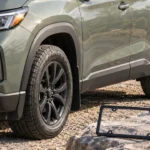
Pick up one existing detail—wheel finish, brake caliper color, body trim, or interior stitching—and repeat it as a thin line or small lower-rail accent. Using one color looks intentional. Covering the whole frame with several high-contrast colors can make the plate harder to scan at a glance.
2. Use a Matte OEM-Plus Finish
A matte black, charcoal, or dark gray frame blends with factory trim and reduces distracting reflections. This works especially well when you want the installation to look finished without calling attention to the border. Make sure the matte texture does not extend over the plate face as a film or cover.
3. Add Short Bottom-Rail Text
A city nickname, club name, short phrase, or simple two- or three-word message can fit naturally on the lower rail. Keep the lettering inside the rail, use a legible typeface, and avoid oversized raised characters that project into the opening. Short text is easier to read and gives the plate more breathing room.
4. Choose a Subtle Repeating Pattern
A fine checker, geometric line, wave, or tone-on-tone pattern can add detail without becoming noisy. Keep the scale small and the contrast moderate. If the pattern is printed, position it entirely on the frame surface and confirm that registration stickers remain visible.
5. Use a Brushed or Satin Metal Look
Brushed silver, satin black, and muted metallic finishes suit vehicles with exposed metal trim. The directional grain adds interest without needing extra graphics. Avoid mirror-like areas that produce glare directly next to characters or interfere with a clear camera view.
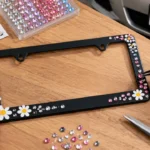
6. Put Small Motifs at the Outer Corners
A mountain outline, paw print, flag-inspired color block, or simple icon can work at the outer corners if it stays outside the opening. Corner details need extra care because plate stickers often occupy the same area. Test with the actual plate, not a generic mockup.
7. Create a Quiet Two-Tone Border
Use a neutral main color with a thin contrasting edge. Black with a narrow red, blue, silver, or body-color line is easier to coordinate than a fully multicolored frame. Keep the inner edge visually simple so the eye still lands on the plate characters first.
8. Personalize With Original Artwork
Your own illustration, initials, or licensed brand artwork makes a frame distinct without borrowing protected logos or characters. For a custom design, place the artwork on a drawing that shows the opening, screw locations, and no-print zones. The practical process matters as much as the idea; these customization steps help turn artwork into a frame that fits.
9. Keep a Seasonal Design Removable
A seasonal color insert or interchangeable decorative element can change the look without replacing the entire frame. Any removable piece should lock securely, stay clear of the plate, and resist vibration. Loose charms and dangling parts are poor choices around a plate because they can move into the visible area.
Which Idea Has the Lowest Readability Risk?
| Idea | Readability risk | Useful control |
|---|---|---|
| Matte solid color | Low | Use a slim opening and keep all stickers exposed |
| Short lower-rail text | Low to moderate | Limit text height and keep raised letters inside the rail |
| Two-tone accent | Low | Keep the inner edge simple and nonreflective |
| Corner motif | Moderate | Check sticker positions on the actual plate |
| Wide illustrated border | Moderate to high | Reduce the artwork or move it to the outer rail |
| Charms or projecting pieces | High | Avoid movable parts near the opening |
Let the Rail Width Set the Design
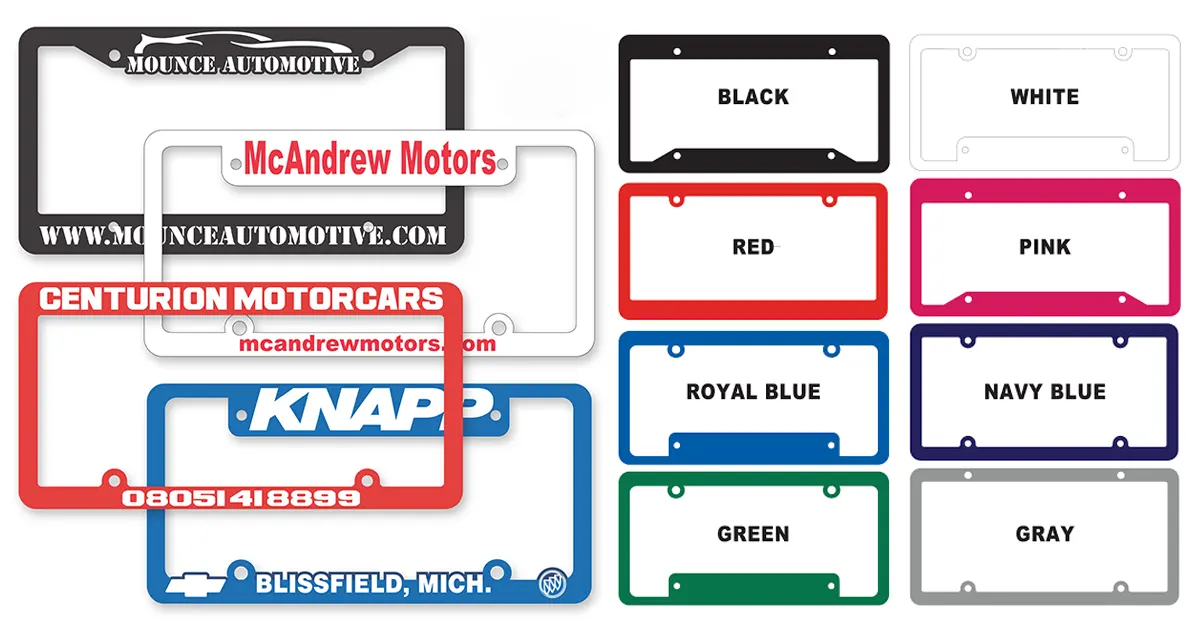
A design should follow the physical frame, not be squeezed onto it afterward. The upper rail is often interrupted by mounting holes. The lower rail may have more printable space, but it can sit close to a state name or registration sticker. Side rails are narrow and better suited to color or texture than readable text.
Measure the top, bottom, and side border widths separately. Then draw a safe area inside each rail, leaving clearance from the opening, screw heads, corners, and edge radii. If the concept only works when text touches the opening, the frame is too crowded.
Do a Five-View Check After Installation
- Stand directly behind the vehicle and confirm that every plate character is complete.
- Move left and right to check whether a thick lip hides characters at an angle.
- Look from a normal standing height and a lower camera-like height.
- Turn on the plate lights at night and check for shadows, glare, or blocked illumination.
- Confirm that registration stickers and required jurisdiction information remain visible under your local rules.
A frame can pass a flat tabletop check and still fail on the vehicle because the mounting surface is curved, recessed, or tilted. Recheck after tightening the screws; over-tightening can bow a flexible frame inward.
Ideas to Avoid
Avoid dark or tinted covers, oversized badges, thick inner lips, reflective graphics that resemble plate characters, and text that could be mistaken for official information. Do not drill through or alter the issued plate just to fit a decorative frame. If your design depends on covering part of the plate, it needs to be redesigned.
Rules vary by state and can change. The safest general approach is to keep the entire issued plate easy to see and read. If you are uncertain, review the relevant statute or start with the broader explanation of when a license plate frame can become illegal.
Frequently Asked Questions
Can I put words on a license plate frame?
Usually, the practical issue is not the words on the frame but whether the frame or lettering blocks required plate information. Keep the message short, contained within the rail, and separate from the plate’s official characters. Check your state rule before driving.
Where is the best place for a custom message?
The lower rail often provides the clearest uninterrupted area, but some plates place a state name or sticker close to the bottom edge. Use the position that leaves the actual plate fully readable.
Are glitter or reflective finishes a good idea?
They can be visually distracting and may create glare under headlights or cameras. A restrained metallic flake or satin finish is easier to control than a highly reflective surface. Always check the installed result at night.
Should the frame match the car or the plate?
Either can work. Matching one vehicle accent creates a coordinated look; using a neutral frame lets a colorful plate remain the focal point. In both cases, contrast should help rather than overpower the plate characters.
Can I use a license plate cover as part of the design?
A cover sits over the plate, while a frame surrounds it. Covers—especially tinted, smoked, reflective, or distorted ones—create a different legal and visibility risk. A simple open-face frame is the more conservative starting point.
Make the Design Work on the Real Vehicle
The strongest license plate frame idea is one you barely have to explain: it fits the car, stays secure, and leaves the plate immediately readable. If you are preparing original artwork for a custom run, build it around verified opening and rail dimensions, then approve it on a physical sample with the intended plate style. That final installed check protects both the design and its everyday use.