You can often put a removable license plate frame on a leased car, provided your lease or lessor does not prohibit it, the frame does not obscure required plate information, and installation does not damage or permanently alter the vehicle. The safest approach is simple: use the existing factory fasteners and mounting points, keep the original parts, and remove your frame before the lease-end inspection if the return instructions call for the original condition.
A lease is a contract, so there is no universal permission that overrides its terms. Check the lease agreement and the lessor’s current wear-and-use or return guidance before making changes.
Why a Removable Frame Is Usually Different From a Modification
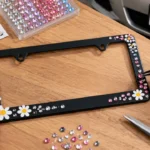
A conventional frame normally sits over the plate and uses the same screws already holding the plate. When installed correctly, it can be removed without leaving a new hole or adhesive mark. That is different from drilling a bumper, cutting trim, splicing wiring for an illuminated frame, or bonding a bracket to the paint.
“Removable” still does not mean risk-free. A frame can rub paint, trap grit, crack a plastic bracket, interfere with a camera, or cover plate text. Your responsibility is to preserve both the vehicle and the lawful display of the plate.
Check These Four Things Before Installing One
1. Your Lease and Lessor Guidance
Look for sections on accessories, alterations, excess wear, and vehicle return. If the language is unclear, ask the lessor or servicing dealer a specific question: “May I install a license plate frame using only the existing plate screws, with no drilling or wiring changes?” Keep any written answer with your lease records.
2. Your Plate’s Readable Area
The frame should not cover the serial, state name, registration stickers, or other required information. Rules vary by jurisdiction. A slim opening gives you more margin than a wide novelty border. The site’s opening-size method helps you compare the frame with the exact issued plate.
3. The Factory Mount
Inspect whether the plate screws enter threaded inserts, plastic clips, a dealer bracket, or the body. Use the correct fastener length and thread. A screw that is too long can bottom out; the wrong thread can strip an insert. Do not drill new holes merely to make a decorative frame fit.
4. Vehicle Features Around the Plate
Check the backup camera, trunk or liftgate handle, parking sensors, plate lights, and power liftgate movement. Raised decoration can appear in a wide-angle camera or cast a shadow from the plate lamp.
Can You Remove the Dealer’s License Plate Frame?
Usually the dealer advertising frame is a removable accessory, but first make sure it is not part of the plate holder or lighting assembly. Support the plate while removing the screws, photograph the original arrangement, and save the frame and hardware in a labeled bag.
If the dealer frame is riveted, bonded, wired, or integrated with a bracket, stop before forcing it. That installation may require dealer guidance. A license plate holder is structurally different from a decorative frame.
Choose a Frame That Is Easy on the Vehicle
| Feature | Why it helps on a lease | What to avoid |
| Slim visible opening | Reduces risk of covering plate information | Wide bars over state name or stickers |
| Flat back and smooth edges | Reduces concentrated contact | Burrs, sharp tabs, uneven casting |
| Moderate weight | Places less load on plastic inserts | Heavy decoration on a weak holder |
| Correct holes or slots | Uses factory mounting points | Frames that require drilling |
| Serviceable screws | Makes removal before return straightforward | Permanent adhesive or inaccessible caps |
Material is secondary to fit and installation. Plastic, aluminum, and stainless steel can all work when the dimensions, edges, weight, and fasteners suit the vehicle. If paint contact is possible, read the practical discussion of how frames and trapped grit can affect paint.
How to Install a Frame Without Making Permanent Changes
- Park safely, turn off the vehicle, and open the trunk or liftgate only if needed for access.
- Take a photo of the original frame, screw order, spacers, and bracket.
- Remove one screw at a time while supporting the plate and holder.
- Clean loose grit from the plate, frame contact area, and screw seats.
- Dry-fit the new frame and confirm the plate lights and camera remain clear.
- Reuse approved hardware if it remains suitable, or use verified matching fasteners.
- Tighten evenly until secure—do not bow the frame or crush plastic inserts.
- Store every original part where it will be available at lease return.
What Not to Do on a Leased Car
- Do not drill the bumper, trunk, liftgate, or bracket without written authorization.
- Do not splice factory wiring for a decorative lighted frame.
- Do not use strong adhesive on paint or trim unless expressly approved for the lease and surface.
- Do not discard dealer or factory frames, fasteners, spacers, or screw caps.
- Do not install a cover or border that reduces plate readability.
- Do not force mismatched screws into factory inserts.
Prepare for the Lease-End Inspection
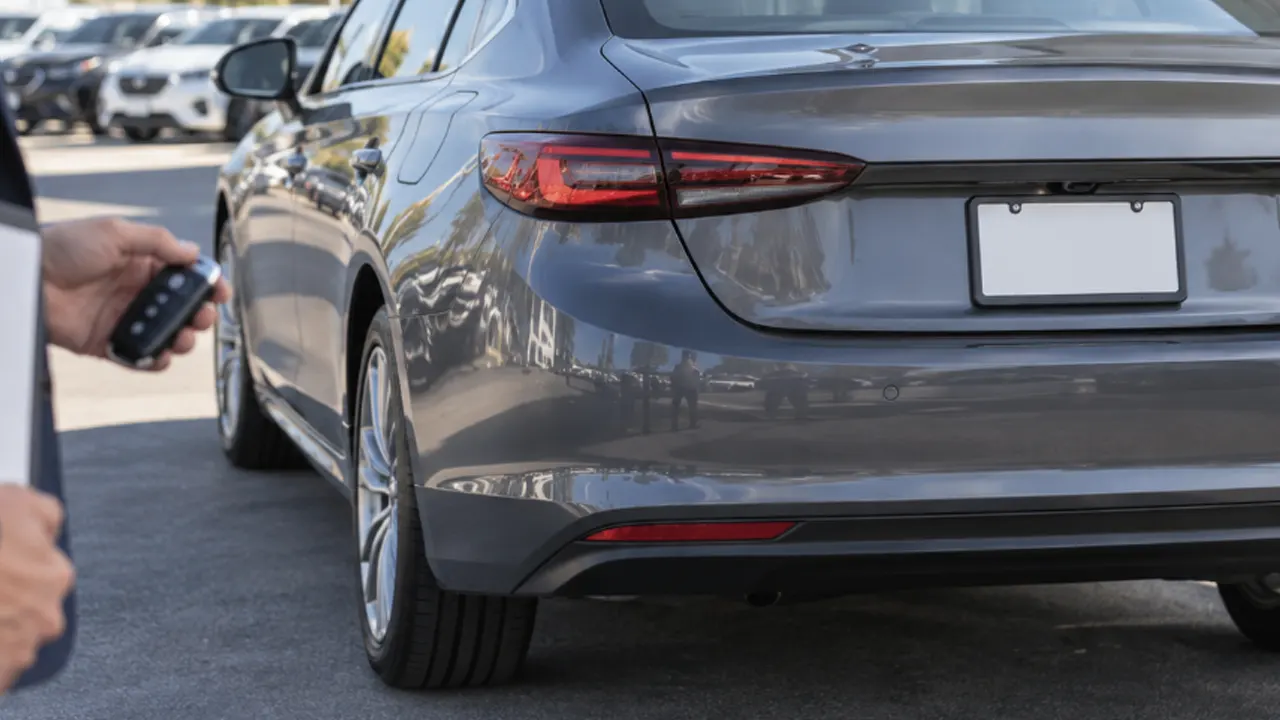
Review the lessor’s current return checklist well before the appointment. Clean around the plate, inspect the mounting holes and bracket, and decide whether to reinstall the original frame. Bring the saved hardware if the dealer will handle the change.
If your frame has left scratches, stripped inserts, broken clips, or adhesive residue, do not hide the problem. Ask the lessor or dealer how they want it addressed. An improvised repair can turn minor wear into a more obvious alteration.
Also follow the lessor and state instructions for the license plates themselves. Depending on how the vehicle and plates were registered, plate return or transfer may be your responsibility and is separate from the decorative frame.
Frequently Asked Questions
Do I need dealer permission to change the frame?
The lease agreement and lessor control the answer. A screw-on frame is often treated as a removable accessory, but written confirmation is worthwhile if the contract is unclear.
Can I use a personalized frame on a leased car?
Potentially, if it uses existing mounting points, remains readable and lawful, does not damage the vehicle, and complies with the lease terms.
Should I keep the dealership frame?
Yes. Store it with the original screws, spacers, and caps. Returning the car with its original removable parts avoids an unnecessary lease-end question.
Can I add a front frame if the leased car has no front bracket?
Do not drill or add adhesive simply for a frame. If a front plate is required, ask the dealer or lessor for the approved vehicle-specific bracket and installation method.
Will a frame count as excess wear?
The accessory itself may not, but damage from it can. Scratches, broken brackets, stripped holes, wiring changes, or missing original parts may be evaluated under the lessor’s return standards.
Do I have to remove the frame before returning the car?
Follow the return checklist and lease instructions. When in doubt, restore the original removable setup and bring all saved parts to the turn-in appointment.